 Skip to content
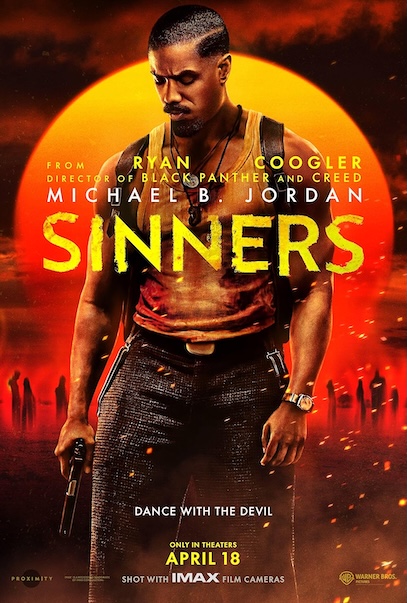
Script Analysis: Sinners
Coverage Report Overview
Logline
When twin brothers return to the Mississippi Delta to open a juke joint in 1932, a night of music, freedom, and joy is shattered when a centuries-old Irish vampire and his growing horde threaten to consume everyone they love.
Genre
Horror, Drama, Blues, Supernatural, Historical.
Top Keywords
blues music, vampire, supernatural, Mississippi, 1932, juke joint, racism, Ku Klux Klan, African American, guitar, spiritual connection, cursed souls, undead, lumber mill, sharecropper, segregation, musical performance, dark fantasy, revenge, redemption.
Location Setting
Clarksdale, Mississippi.
Script Score
1. Character Development: 8.5/10
The screenplay creates a rich ensemble of characters with distinct voices, histories, and motivations. Smoke and Stack are particularly well-drawn—their twin dynamic carries genuine emotional weight, with Smoke as the cautious protector and Stack as the charismatic risk-taker. Their backstory (killing their abusive father, fleeing to Mound Bayou, Chicago gangster life) unfolds organically through dialogue rather than exposition. Annie’s complexity as a rootworker who genuinely loves Smoke, Mary’s liminal racial identity and unresolved heartbreak, and Sammie’s coming-of-age arc all feel fully realized. Even minor characters like Delta Slim and Cornbread have memorable personalities that serve the story’s thematic concerns.
2. Plot Construction: 8.0/10
The screenplay executes a masterful structural gambit—spending its first two acts building a vibrant, lived-in world of a juke joint’s opening night before pivoting into vampire horror. The prologue efficiently establishes the supernatural threat, and the slow-burn setup pays enormous dividends when the violence erupts. The ticking clock of nightfall, the economic tensions around plantation currency, and the white drifters’ arrival all create layered suspense. The epilogue in 1992 Chicago is a beautiful coda that recontextualizes everything. However, some transitions in the third act feel rushed—Grace’s breakdown and the final battle compress significant emotional beats into rapid succession, and the Hogwood cleanup feels slightly disconnected from the main vampire conflict.
3. Dialogue: 9.0/10
The dialogue is exceptional—rhythmic, period-authentic, and loaded with subtext. Stack’s monologue about how to keep a woman, the negotiation scene between Smoke and Grace Chow, and the plantation currency debate all crackle with life. The screenplay has a remarkable ear for how people actually talk around difficult subjects—Stack deflecting Mary’s pain, Smoke’s inability to articulate his love for Annie without being prompted, Jedidiah’s sermonizing that masks genuine fear for his son. Remmick’s seductive philosophical speeches about lies and truth achieve genuine menace. The dialogue also carries tremendous thematic weight without becoming didactic.
4. Originality: 9.5/10
This is a strikingly original work that fuses the vampire genre with the African American experience in the Jim Crow South in ways that feel genuinely revelatory rather than gimmicky. The central metaphor—vampires as colonialism, as the extraction of Black cultural vitality, as the seductive promise of freedom through surrender—operates on multiple levels simultaneously. The surreal montage connecting Sammie’s blues performance to ancestral griots and future musicians is visionary filmmaking on the page. The economic subplot about plantation currency versus real dollars adds a layer of material critique rarely seen in horror. The 1992 epilogue reframes the entire narrative as a meditation on survival and artistic legacy.
5. Emotional Engagement: 9.0/10
The screenplay builds extraordinary emotional investment before deploying its horror elements, which makes the violence devastating rather than merely shocking. Stack’s death hits hard because we’ve spent genuine time with his humor, vulnerability, and complicated love for Mary. Annie’s death—asking Smoke to fulfill his promise—is gutting precisely because their relationship has been so carefully established. Sammie’s return to his father’s church, bloodied and broken, achieves a cathartic power that earns every tear. The epilogue’s bittersweet reunion between Sammie and the undead Stack is profoundly moving, particularly Stack’s final line about freedom and the last time he saw the sun.
6. Theme and Message: 9.5/10
The thematic architecture is extraordinary in its density and coherence. The screenplay interrogates freedom, exploitation, cultural ownership, and the sacred power of Black art through every element of its construction. The juke joint itself becomes a metaphor for Black self-determination—built on stolen money, on a killing floor, accepting worthless plantation currency, yet still producing transcendent beauty. Remmick’s vampirism literalizes cultural extraction—he wants Sammie’s songs, his stories. The tension between Jedidiah’s Christianity and the blues mirrors the tension between colonial religion and indigenous spiritual practice. The title itself operates brilliantly: everyone is a sinner, but the screenplay asks who defines sin and who profits from that definition.
7. Overall Rating: 8.9/10
This is an exceptional screenplay that operates simultaneously as a period drama, a horror film, and a profound meditation on Black American cultural production and survival. Its greatest achievement is the seamless integration of genre elements with deeply felt human drama—the vampire mythology never overwhelms the characters, and the social commentary never reduces them to symbols. The dialogue and thematic depth are near-flawless, and the emotional payoffs are earned through meticulous character work. Minor structural compression in the third act and occasional pacing issues in the battle sequences are the only elements preventing a higher score.
Based on the Script Score, this screenplay ranks at 99th percentile and received a Recommend*
(The percentile indicates how this script compares to other scripts of a similar genre and style.)
Synopsis
In 1932 Mississippi, twin brothers Smoke and Stack return from Chicago to open a juke joint in Clarksdale, bringing along their young cousin Sammie, a gifted blues musician. On opening night, a vampire named Remmick and his companions infiltrate the celebration, turning the joyful gathering of Black sharecroppers into a bloodbath, converting Stack, Mary, Cornbread, and most of the patrons into vampires. Smoke fights desperately to protect Sammie, whose extraordinary musical gift was what drew Remmick to them, while sacrificing Annie, the woman he loves, to prevent her from turning. At dawn, Smoke stakes Remmick, destroying the vampire clan, then massacres the Klan members who arrive to claim the mill. Sammie survives and returns to his preacher father, torn between his faith and his calling as a blues musician. Sixty years later, an elderly and dying Sammie performs in Chicago, where Stack and Mary — still vampires — visit him one last time, offering him immortality, which he declines, choosing instead to face death and whatever lies beyond.
Comprehensive Synopsis
In 1932 Mississippi, a prologue establishes the world of the film through a series of woodcut images narrated by a woman named Annie, who describes a rare gift possessed by certain musicians throughout history — the ability to make music so powerful it pierces the veil between life and death, summoning spirits from the past and future. In ancient Ireland they were called fili, among the Choctaw they were firekeepers, in West Africa they were griots. This gift brings healing, but it also attracts evil.
The prologue then dramatizes this danger. An injured, burned man arrives at a white farmhouse in Clarksdale, Mississippi, begging for shelter from a Choctaw search party pursuing him. The couple inside, Bert and Joan, take him in despite warnings from the Choctaw leader Chayton, who pleads with them not to trust the stranger. Once the sun sets, the injured man reveals his true nature — he is a vampire — and kills Bert, then turns him. Joan is left trapped with the two of them as the night begins.
The story proper opens on Sammie Moore, a nineteen-year-old Black sharecropper and gifted blues guitarist who has been working the cotton fields since before dawn on a Saturday morning. He lives on Grey Oaks Plantation with his mother Ruthie and five younger siblings. His father, Jedidiah, is a preacher who disapproves of the blues, viewing it as the devil’s music. That morning, Jedidiah has taken Sammie’s guitar to the church, hoping to redirect his son’s talent toward gospel. Sammie retrieves it and is picked up by his older cousins, the Smokestack Twins — Smoke and Stack — who have just returned from Chicago.
The twins are a formidable pair. Smoke is the serious, calculating one; Stack is charismatic and reckless. They have purchased an abandoned lumber mill outside Clarksdale with money earned through criminal enterprise in Chicago, intending to open a juke joint. They have one day to prepare for a grand opening that same night. The twins split up to gather supplies and musicians. Stack takes Sammie with him to recruit Delta Slim, an elderly harmonica and piano virtuoso, while Smoke visits Bo Chow and his wife Grace, Chinese American grocers who supply food, ice, and hand-painted signs. Smoke also visits Annie, a rootworker and the love of his life, with whom he shares a complicated and grief-laden history — they lost a child together. Annie agrees to cook for the juke and joins the effort.
At the railroad station, Stack and Sammie encounter Mary, a light-skinned woman who appears white but is of mixed Black heritage. She and Stack have a painful romantic history — Stack set her up with a white husband and a farm in Arkansas to give her safety and freedom, but she never stopped loving him. She has returned to Clarksdale to bury her mother. Their reunion is charged and unresolved.
Through the afternoon, the group transforms the mill into a functioning juke joint in a single day. By nightfall, the place is packed with sharecroppers, gamblers, musicians, and revelers. Sammie performs an original song he wrote for his father, and the performance is transcendent. The screenplay enters a surreal montage in which the music conjures spirits from across time — African griots, future musicians, ancestors past and present — all dancing together in the same space, the walls of the mill dissolving into an open field of fire and starlight. Sammie’s gift is real and extraordinary.
The night is interrupted when three white drifters arrive at the door — Remmick, Joan, and Bert, the same figures from the prologue. Remmick is the vampire who turned the couple, and he is ancient, Irish, and deeply charismatic. The twins refuse them entry on the grounds that this is a Black juke joint. Remmick and his companions play music outside, and it is undeniably beautiful, but the twins hold firm. Remmick and the others appear to leave.
Mary, hoping to help the twins financially since most patrons are paying in worthless plantation currency rather than real money, slips outside to negotiate with the drifters. She discovers Remmick is not what he seems — his eyes flicker like an animal’s in the dark, and he drools with hunger — and she pulls her pistol and retreats. Remmick attacks her from the air. She returns to the juke appearing unharmed, but she has been bitten.
Stack and Mary slip into the back room together and have sex. While they are together, Remmick’s bite takes hold and Mary feeds on Stack’s neck, draining him. Smoke discovers them, shoots Mary multiple times, but she is unaffected and flees into the night. Stack dies from blood loss. Smoke is devastated.
Annie immediately recognizes what they are dealing with — vampires, not ordinary haints. She explains that vampires trap the soul in the body, cursing it to remain among the living, unable to rejoin the ancestors. She urges the group to move Stack’s body outside before he turns, but Smoke refuses. Stack reanimates and bursts through the locked door, attacking the group before fleeing into the night to join Remmick’s growing army.
Cornbread, the large man working the door, had disappeared earlier to relieve himself and returns acting strangely. Annie deduces he has been turned as well. When Smoke extends money to him, Cornbread lunges for his wrist. Smoke shoots him in the face and Annie slams the door. The group realizes they must survive until sunrise.
Remmick has been busy. He has turned nearly every patron who left the juke, creating a small army of vampires from the community’s own people. He leads them in song outside the mill — a haunting, beautiful Irish reel — and the scene reveals something important about Remmick: he is not simply a monster. He is an ancient Irishman whose people were colonized and whose culture was stolen, and he genuinely believes he is building a new community based on love and equality, free from the hierarchies of race and power that have destroyed everyone inside the mill. His tears are real. His grief is real. But his method is annihilation.
Grace Chow, panicked about her husband Bo who went outside to get the car, is manipulated by Remmick into inviting the vampires in. The barn doors open and the attack begins. Bert is staked by Annie. Grace throws a Molotov cocktail. Bo Chow, now turned, bites Grace as they both ignite. Remmick grabs Smoke and Stack bites Annie. Sammie shoots Remmick, driving him back. Smoke drives a stake through Annie’s heart to fulfill the promise he made her — that he would free her before she could turn. It is the most devastating moment of the film.
Delta Slim, old and drunk and magnificent, sacrifices himself. He cuts his wrist open, distracts the vampires with his blood and his music, and stage dives into the swarm, buying time for Smoke, Sammie, and Pearline to escape upstairs. Remmick pursues them to the upper catwalk. Stack tackles Smoke. Remmick bites Pearline. Sammie jumps from the window.
At the river, Remmick catches Sammie and prepares to turn him, delivering a monologue about truth, colonialism, and the lies of religion and hierarchy. He dunks Sammie in the water like a baptism. Just as he moves to bite him, Sammie swings his guitar — which has a silver resonator face — into Remmick’s wound, burning him badly. The other vampires recoil in shared pain. Smoke arrives, battle-ravaged, and drives a stake through Remmick’s chest. As the sun rises, the vampires ignite and burn. Remmick transforms into his ancient, decayed true form, smiles at the sun, and explodes in a pillar of fire.
Smoke, wounded and alone, returns to the mill. He assembles a Browning machine gun and a Thompson submachine gun from a hidden trunk. Hogwood, the white man who sold them the mill, arrives with fifteen armed men to clean up the evidence — Remmick had promised them the twins would be killed that night. Smoke mows them down in a final act of vengeance, taking a bullet to the belly in the process. He sits in the dirt, exhausted, and has a vision of Annie in white, nursing their infant daughter. He puts out his cigarette so he can hold the baby. Then he kills Hogwood and reaches for his child.
Sammie returns to his father’s church, bloodied and broken. Jedidiah receives him at the pulpit in front of the congregation, calling him his prodigal son. He asks Sammie to swear before God to leave the sinning ways behind. Sammie sings, weeping, but cannot bring himself to drop the guitar neck he still carries. He drives away in Stack’s car, pressing the broken instrument to his heart.
The epilogue jumps to Chicago in 1992. Sammie is now eighty years old, scarred from Remmick’s claws, performing at a blues bar called Pearline’s. He is dying of cirrhosis with only months to live. After the show, Stack and Mary walk in — unchanged, still vampires, dressed in early nineties style. Stack sits beside Sammie and offers to turn him, to let him keep playing forever. Sammie declines. He says he has seen enough of this world and wants to know what comes next. Stack tells him he kept every record Sammie ever made. Sammie picks up his old steel acoustic and plays one last Delta blues for his cousin. Stack closes his eyes and sways. Mary nestles under his arm. When Sammie finishes, Stack drops two hundred dollars on the bar, revealing a gold ring that spells out Smoke’s name. He and Mary leave. Sammie calls after them and asks if that night — the night of the grand opening, the night everything was lost — was the best day of their lives. Stack pauses, removes his sunglasses, and says without hesitation that it was. The last time he saw his brother. The last time he saw the sun. For a few hours, they were free.
Plot Assessment and Enhancement
What Works Well
The screenplay’s central conceit—vampires as a metaphor for the systemic forces that consume Black communities—is brilliantly layered. The juke joint itself functions as a microcosm of Black economic aspiration, and the vampires’ requirement of an invitation to enter mirrors the way exploitation historically requires some form of complicity or vulnerability to take root. Remmick’s seductive pitch about eternal community (“we gon have heaven right here on earth”) weaponizes the very desire for freedom and belonging that drives every character, making the horror genuinely ideological rather than merely physical.
The prologue is a masterclass in efficient setup. In under five pages, it establishes the vampire mythology, the racial dynamics of 1930s Mississippi, and the mechanism of the threat—all while misdirecting the audience with the Injured Man’s apparent victimhood. The Choctaw search party’s quiet resignation when the sun sets communicates everything about the stakes without a single line of exposition.
The twin dynamic between Smoke and Stack is the screenplay’s emotional engine, and it works because their differences are expressed through action rather than declaration. Smoke negotiates, calculates, and controls; Stack seduces, improvises, and risks. Their contrasting approaches to the plantation currency debate reveal a genuine philosophical divide about how to survive in a rigged system, and this tension pays off devastatingly when Stack, now turned, offers Smoke the vampire’s version of freedom—the ultimate improvisation, the ultimate risk.
The economic subplot is remarkably sophisticated for a genre film. The plantation currency crisis—a packed house that’s actually underwater because the money isn’t real—is both historically grounded and narratively urgent. It creates a ticking clock that has nothing to do with vampires and everything to do with the structural trap these characters are trying to escape. When Remmick reveals Hogwood’s betrayal, the horror isn’t supernatural; it’s the confirmation that the system was designed to devour them regardless.
Annie is the screenplay’s moral compass without being sanctimonious. Her insistence on the mojo bag, her reading of bones, her demand that Smoke promise to stake her before she turns—these aren’t superstitious tics but expressions of a coherent spiritual worldview that proves more accurate than Smoke’s secular pragmatism. Her death scene, where she forces Smoke to honor his promise, is the most emotionally devastating moment in the script precisely because it’s an act of agency in a story about people whose agency is constantly under siege.
The surreal montage during Sammie’s performance is the screenplay’s most ambitious and successful sequence. The appearance of ancestral spirits—the Senegalese xalam player, the 1970s rock guitarist, the 1980s DJ, the Zaouli dancer alongside a Memphis jooker—articulates the film’s thesis about the blues as a living continuum connecting African diaspora traditions across time. That the ceiling burns away to reveal open sky transforms the juke joint from a building into a spiritual space, and the transition to Remmick watching hungrily from outside reframes the entire sequence as something worth protecting and something worth stealing.
The 1992 epilogue is structurally perfect. Stack wearing a ring that says “SMOKE” tells us everything about sixty years of grief in a single prop. The offer to turn Sammie—and Sammie’s refusal—completes the thematic argument: immortality without freedom is just another plantation. Sammie’s line about wanting to know “what comes next” is the most quietly radical statement in the screenplay, a man choosing mortality and the unknown over the devil he knows.
The dialogue throughout is sharp, period-appropriate, and character-specific without ever feeling like dialect performance. Stack’s five rules for keeping a woman, Delta Slim’s jailhouse story, Grace’s eruption at Smoke (“Ain’t you a soldier”)—these are scenes that would work as standalone pieces of writing. The negotiation scenes with the Chows demonstrate how commerce functions as community-building in marginalized economies, and Grace’s dual-store operation (one for Black customers, one for White) communicates Jim Crow’s architecture more effectively than any exposition could.
Opportunities for Improvement
The screenplay’s most significant structural weakness is the handling of Grace Chow’s breakdown. Her screaming “Ya’ll come on in you motherfuckers” is the inciting action for the third-act siege, but her psychological journey from composed businesswoman to the person who dooms everyone feels compressed. We need at least one additional scene earlier—perhaps Grace confiding in Annie about Lisa, or a moment where she witnesses Bo’s transformation through a window—to make her unraveling feel earned rather than mechanically necessary. As written, she functions as a plot device to get the vampires inside, and the audience will feel that.
Bo Chow’s turn happens entirely offscreen, which robs the Chow family subplot of its most critical beat. The screenplay invests significant time establishing Bo and Grace as a functioning partnership with real economic stakes, but Bo simply walks outside and returns as a vampire. Even a brief scene—Bo reaching the car, hearing something, turning to find Remmick behind him—would give the audience the visceral shock of watching a character we care about get taken. His current offscreen conversion makes his return feel like a reveal for the characters but not for the audience, which diminishes the horror.
Delta Slim’s sacrifice is emotionally powerful but tactically unclear. He cuts his wrist to lure the vampires, but the screenplay hasn’t established that vampires are specifically drawn to fresh blood over living prey. Earlier scenes show them biting people who are right in front of them, not tracking blood scent. A brief moment earlier—perhaps during the Cornbread confrontation—where a vampire visibly reacts to the smell of blood would set up Slim’s gambit as a logical strategy rather than a noble but vaguely motivated gesture.
The Pearline character arc needs strengthening in the middle section. She enters as a married woman with bedroom eyes, sings beautifully, sleeps with Sammie, and then largely becomes a reactive presence during the siege. Her musical talent is established but never deployed as a weapon or tool during the vampire confrontation, which feels like a missed opportunity given the screenplay’s thesis about music’s spiritual power. If Sammie’s playing can summon ancestral spirits, Pearline’s singing should have some functional role in the climax—even if it’s a failed attempt that underscores the overwhelming nature of the threat.
The rules of the vampire mythology need tightening in the second half. Annie states they need “wood, garlic, holy water” and that vampires can’t enter without invitation, but the silver resonator’s effectiveness against Remmick comes as a surprise with no prior setup. The guitar’s metal face should be identified or remarked upon earlier—perhaps when Sammie first shows it to Stack, or when Annie handles it during the mojo bag scene—so the climactic guitar strike feels like a payoff rather than a convenient discovery. Similarly, the “they feel his pain” revelation about Remmick’s connection to the other vampires needs a hint before Annie announces it; perhaps an earlier moment where Remmick flinches and a distant vampire reacts simultaneously.
The screenplay introduces the idea that Sammie’s music specifically attracted the vampires (“This gift can bring healing to their communities. But it also attracts evil.”), and Jedidiah warns that the devil will follow him home, but Remmick’s actual motivation for targeting this particular juke joint is muddied by the Hogwood revelation. If Hogwood set up the slaughter, then the vampires were coming regardless of Sammie’s gift. The screenplay needs to clarify whether Sammie’s music changed Remmick’s plan—perhaps he intended a quick feeding but became obsessed with Sammie’s voice—or whether the opening narration’s promise about music attracting evil is thematic rather than literal. As written, these two motivations compete rather than complement.
The Smoke-Annie sex scene, while establishing their physical reconnection, arrives before the audience has enough emotional context to feel its weight. We know they lost a baby and that Smoke left, but the scene plays as reconciliation when the relationship’s specific wounds haven’t been dramatized enough to make reconciliation meaningful. Moving Annie’s line about working roots to keep Smoke safe to after the sex scene—as pillow talk rather than argument—would allow the physical reunion to feel like a choice made from unresolved longing rather than a negotiation that ends in sex.
Remmick’s monologue during the river baptism scene, while thematically rich, runs long enough to deflate the physical tension of the climax. His speech about colonial lies and the hierarchy of man covers ground the screenplay has already dramatized through action. Trimming the philosophical content and letting his physical domination of Sammie communicate the power dynamic would keep the scene’s pacing aligned with the urgency of a life-or-death confrontation. The prayer recitation is the strongest beat in the sequence; the exposition around it dilutes its impact.
The transition from the juke joint siege to Smoke’s one-man-army assault on Hogwood’s crew feels like a tonal shift from horror to action that the screenplay doesn’t fully bridge. Smoke’s emotional state after killing Annie and losing Stack should be closer to catatonic than tactical, but he assembles a Browning and a Thompson with military precision. A brief moment of collapse—Smoke sitting with Stack’s dog tag, unable to move, before hearing the cars approach and forcing himself into soldier mode—would make the violence feel like the last act of a man with nothing left rather than a genre-mandated action sequence.
Mary’s arc contains the screenplay’s most compelling identity crisis—a woman who can pass as white, was pushed into whiteness by the man she loved, and returns to a Black space only to be turned into a literal predator—but her transformation happens in a gap the audience can’t see. She goes outside to negotiate with Remmick, returns apparently fine, and then is revealed mid-bite on Stack. The screenplay needs to show or strongly imply the moment she’s turned, even if it’s as subtle as her hand trembling when she hands Stack the gold coin, or a beat where she touches the bite mark on her shoulder that we later see. Without this, her reveal feels like a twist for its own sake rather than the tragic culmination of a woman caught between worlds.
The epilogue’s emotional power would be enhanced by a single concrete detail about what happened to Sammie between 1932 and 1992. Stack says he has every record Sammie made, but we don’t know if Sammie ever left the plantation, if he married, if he had children, if he found Mound Bayou. One line—even something as simple as “I heard you made it up to Memphis for a while”—would give the audience a sense of the life lived between the trauma and this final meeting, making Sammie’s acceptance of death feel like the conclusion of a full journey rather than a jump cut across sixty years.
Character Profiling
SMOKE (Elijah)
Smoke begins as a hardened, pragmatic survivor—a man shaped by violence and war who returns to Mississippi with his twin brother to build legitimate enterprise. His character arc traces a descent into moral compromise and ultimate tragedy. Initially, Smoke maintains strict business principles, rejecting plantation currency and enforcing order through intimidation. However, his protective instincts toward his brother and his love for Annie create vulnerabilities that Remmick exploits. The night of the juke joint opening becomes his crucible: he witnesses his brother’s transformation into a vampire, is forced to kill the woman he loves to free her from damnation, and ultimately becomes a man defined entirely by loss and vengeance. By the epilogue, Smoke exists only in memory and legend—his gold ring worn by Stack as a memorial. His arc is one of inevitable tragedy, where every attempt to build something good is corrupted by forces beyond his control, leaving him a ghost haunting his brother’s immortal existence.
Archetype: The Tragic Hero
STACK
Stack serves as Smoke’s emotional counterpart and the dreamer of the twins. His character arc moves from hopeful schemer to tragic victim to something far more sinister. Stack envisions the juke joint as more than business—it represents freedom and community for Black folks in the Delta. He is charming, persuasive, and capable of genuine connection, as evidenced by his relationships with Mary, Sammie, and Delta Slim. However, Stack’s fatal flaw is his susceptibility to seduction by promises of transcendence. When Remmick offers eternal life and freedom from pain, Stack accepts it, believing he has finally found the answer to their lifelong struggle. His transformation into a vampire represents the corruption of his idealism—he becomes the very thing that destroys what he built. By the epilogue, Stack exists in a liminal state: immortal but cursed, unable to experience sunlight, bound to Mary and Remmick’s vision of eternal fellowship. His final offer to Sammie—to join him in vampirism—reveals that Stack has rationalized his damnation as salvation, making him both victim and predator.
Archetype: The Dreamer
SAMMIE (Samuel Moore)
Sammie’s arc is one of spiritual and artistic awakening followed by traumatic loss and ultimate compromise. He begins as a young sharecropper with raw musical talent, caught between his preacher father’s religious demands and his cousins’ criminal freedom. The juke joint opening represents his liberation—a moment where his gift is recognized and celebrated, where he experiences genuine joy and connection. However, this freedom comes at catastrophic cost. Sammie witnesses the night’s horrors, nearly becomes Remmick’s victim, and is forced to confront the reality that his music, his gift, attracts evil. His father’s demand that he renounce the blues and serve God represents the world’s attempt to suppress his true nature. By the epilogue, Sammie has become a successful blues musician, but the scars—both physical and psychological—remain. He suffers weekly nightmares and accepts his impending death from syphilis with resignation. His final conversation with Stack reveals the core tragedy: Sammie achieved the freedom his cousins died for, but at the cost of his soul’s peace. He chooses death over Stack’s offer of immortality, suggesting he has learned that some prices are too high.
Archetype: The Artist
ANNIE
Annie’s arc moves from mystical outsider to tragic martyr. She begins as a rootworker and conjure woman, existing on the margins of society, selling spiritual remedies and reading tarot. Her relationship with Smoke is complicated—she loves him but resents the violence his money represents. Annie’s character is defined by her spiritual knowledge and her maternal grief over their lost child. Throughout the night, Annie serves as the group’s moral compass and spiritual guide, the only one who recognizes the true nature of the threat they face. Her insistence on protective measures and her understanding of supernatural forces proves prescient but ultimately insufficient. Annie’s arc culminates in her sacrifice: she allows herself to be bitten by Stack to protect the others, then asks Smoke to kill her to prevent her transformation. Her death represents the cost of resistance—even knowledge and spiritual power cannot save those who stand against forces of pure evil. In Smoke’s final vision, Annie appears in white, nursing their daughter, suggesting redemption and reunion in the afterlife, but this vision comes only after her death.
Archetype: The Sage
REMMICK (The Injured Man)
Remmick’s arc is one of revelation and corruption. He appears initially as a desperate refugee seeking shelter, but is revealed to be an ancient vampire—a being centuries old who has witnessed the rise and fall of empires. His character arc involves the systematic corruption of the juke joint and its patrons, transforming a space of Black freedom and joy into a hunting ground. Remmick is intelligent, charismatic, and philosophical—he doesn’t simply kill for sustenance but seeks to convert others to his vision of eternal fellowship. His monologues reveal a being who has rationalized his curse as enlightenment, who sees vampirism not as damnation but as liberation from the hierarchies and lies of human society. Remmick’s ultimate goal is to transform Sammie, recognizing in the young musician a kindred spirit—someone whose gift for channeling spiritual forces makes him valuable. Remmick’s arc ends in his destruction at sunrise, but not before he has fundamentally altered the lives of everyone he touched, proving that evil’s victory is not measured in survival but in the corruption it leaves behind.
Archetype: The Shadow
Main Character Casting
Smoke
- Chiwetel Ejiofor: Ejiofor’s commanding presence and ability to convey deep emotional complexity make him an ideal fit for Smoke, a character marked by stoicism and emotional wounds. His experience in roles that require a strong, protective demeanor aligns well with Smoke’s character.
- Michael B. Jordan: Jordan’s versatility and intensity in dramatic roles, combined with his physicality, make him a strong candidate for portraying Smoke’s skilled fighter and strategist aspects. His previous work in roles dealing with trauma and resilience complements Smoke’s backstory.
- John David Washington: Washington’s ability to portray characters with a mix of vulnerability and strength suits Smoke’s complex nature. His performances often reflect a deep understanding of characters dealing with internal and external conflicts.
- Daniel Kaluuya: Kaluuya’s nuanced performances and ability to convey a wide range of emotions make him a great fit for Smoke. His experience in roles that explore themes of trauma and resilience aligns with Smoke’s character arc.
- Aldis Hodge: Hodge’s strong screen presence and ability to portray characters with depth and complexity make him well-suited for Smoke. His experience in roles that require a balance of stoicism and emotional vulnerability complements Smoke’s character.
- Sterling K. Brown: Brown’s exceptional ability to convey emotional depth and his experience in roles that explore complex family dynamics make him a strong choice for Smoke. His performances often reflect a deep understanding of characters dealing with trauma.
- Trevante Rhodes: Rhodes’ physicality and ability to portray characters with a mix of strength and vulnerability make him a good fit for Smoke. His previous roles often explore themes of identity and resilience, aligning with Smoke’s character.
- Mahershala Ali: Ali’s commanding presence and ability to convey deep emotional complexity make him an ideal fit for Smoke. His experience in roles that require a strong, protective demeanor aligns well with Smoke’s character.
- Lakeith Stanfield: Stanfield’s versatility and ability to portray characters with a mix of vulnerability and strength suit Smoke’s complex nature. His performances often reflect a deep understanding of characters dealing with internal and external conflicts.
- Winston Duke: Duke’s strong screen presence and ability to portray characters with depth and complexity make him well-suited for Smoke. His experience in roles that require a balance of stoicism and emotional vulnerability complements Smoke’s character.
Stack
- John David Washington: John David Washington has the charisma and intensity needed for Stack’s complex character. His performances in films like ‘BlacKkKlansman’ and ‘Tenet’ showcase his ability to portray both charm and depth, aligning well with Stack’s traits as a charismatic and impulsive visionary.
- Lakeith Stanfield: Lakeith Stanfield’s versatility and unique presence make him an excellent fit for Stack. Known for his roles in ‘Get Out’ and ‘Sorry to Bother You,’ he can embody the charming manipulator aspect of Stack’s character while bringing a fresh perspective to the role.
- Jonathan Majors: Jonathan Majors has demonstrated his range in projects like ‘Lovecraft Country’ and ‘The Last Black Man in San Francisco.’ His ability to convey both vulnerability and strength would be ideal for portraying Stack’s journey from a visionary entrepreneur to a vampire.
- Trevante Rhodes: Trevante Rhodes, known for his role in ‘Moonlight,’ brings a powerful presence and emotional depth that would suit Stack’s complex narrative. His ability to navigate intense and dramatic scenes aligns well with the horror and supernatural elements of the screenplay.
- Aldis Hodge: Aldis Hodge’s performances in ‘One Night in Miami’ and ‘City on a Hill’ showcase his ability to portray charismatic and multifaceted characters. His experience in historical dramas would enhance the authenticity of Stack’s character in the 1930s Mississippi setting.
- Daniel Kaluuya: Daniel Kaluuya’s compelling performances in ‘Get Out’ and ‘Judas and the Black Messiah’ demonstrate his ability to handle complex characters with charisma and intensity. His experience in horror and drama makes him a strong candidate for Stack.
- Michael B. Jordan: Michael B. Jordan’s dynamic range and star power make him a great fit for Stack. His roles in ‘Black Panther’ and ‘Creed’ show his ability to portray both charm and depth, essential for Stack’s transformation into a vampire.
- Yahya Abdul-Mateen II: Yahya Abdul-Mateen II has shown his versatility in projects like ‘Watchmen’ and ‘Candyman.’ His ability to convey both charm and menace would be perfect for Stack’s character arc, especially in the horror and supernatural genres.
- Chadwick Boseman: Chadwick Boseman, known for his roles in ’42’ and ‘Black Panther,’ had the charisma and depth needed for Stack. His ability to portray historical figures with authenticity would have added a rich layer to Stack’s character in the 1930s setting.
- Sterling K. Brown: Sterling K. Brown’s performances in ‘This Is Us’ and ‘Black Panther’ showcase his ability to handle complex emotional narratives. His experience in drama and his commanding presence would bring depth to Stack’s character.
Sammie
- Caleb McLaughlin: Caleb McLaughlin, known for his role in ‘Stranger Things,’ has the acting chops to portray a character with depth and complexity. His age aligns well with the younger version of Sammie, and his experience in dramatic roles makes him a strong fit for the emotional journey of a blues musician caught between duty and passion.
- Jharrel Jerome: Jharrel Jerome, an Emmy-winning actor for ‘When They See Us,’ brings a powerful presence and emotional depth to his roles. His ability to convey resilience and vulnerability makes him an excellent choice for Sammie, especially in capturing the character’s psychological scars.
- Ashton Sanders: Ashton Sanders, known for his role in ‘Moonlight,’ has demonstrated a profound ability to portray characters with internal conflict and emotional depth. His experience in dramatic roles and his age make him a suitable choice for the younger Sammie.
- Kelvin Harrison Jr.: Kelvin Harrison Jr. has shown versatility in films like ‘Waves’ and ‘Luce.’ His ability to navigate complex characters and his musical background make him a compelling choice for Sammie, a character deeply connected to blues music.
- Tyrel Jackson Williams: Tyrel Jackson Williams, known for his role in ‘Brockmire,’ has the charisma and range to portray Sammie’s journey from innocence to resilience. His age and experience in both comedic and dramatic roles add to his suitability for the part.
- Trevor Jackson: Trevor Jackson, with his musical talent and acting experience in ‘Grown-ish,’ can authentically portray Sammie’s dual identity as a musician and preacher’s son. His age and background align well with the character’s profile.
- Algee Smith: Algee Smith, known for his roles in ‘Detroit’ and ‘The Hate U Give,’ brings intensity and emotional depth to his performances. His experience in roles that tackle racial and social issues makes him a strong candidate for Sammie.
- Shameik Moore: Shameik Moore, recognized for his role in ‘Dope’ and as the voice of Miles Morales in ‘Spider-Man: Into the Spider-Verse,’ has the charisma and talent to embody Sammie’s artistic spirit and internal struggles.
- Jacob Latimore: Jacob Latimore, with his background in music and acting roles in ‘The Chi’ and ‘Detroit,’ can bring authenticity to Sammie’s character. His ability to convey emotional depth and resilience aligns well with the role.
- Marcus Scribner: Marcus Scribner, known for his role in ‘Black-ish,’ has the range to portray Sammie’s journey from a young musician to an elder statesman of blues. His age and experience in both comedic and dramatic roles make him a versatile choice for the character.
Main Character Casting Limited Budget
Smoke
- Michael B. Jordan: Michael B. Jordan has the acting range to portray complex characters with emotional depth, as seen in ‘Fruitvale Station’ and ‘Creed’. His age and American nationality align well with the character of Smoke.
- John David Washington: Known for his roles in ‘BlacKkKlansman’ and ‘Tenet’, John David Washington brings intensity and a strong presence, fitting for the stoic and protective nature of Smoke.
- Trevante Rhodes: Trevante Rhodes, recognized for his role in ‘Moonlight’, has the ability to convey deep emotional wounds and resilience, making him a great fit for Smoke.
- Aldis Hodge: Aldis Hodge has demonstrated his versatility in roles like ‘One Night in Miami’ and ‘Hidden Figures’, and his physicality suits the skilled fighter aspect of Smoke.
- Jonathan Majors: Jonathan Majors, known for ‘Lovecraft Country’ and ‘The Last Black Man in San Francisco’, can portray the complexity and trauma of Smoke’s character effectively.
- Lakeith Stanfield: Lakeith Stanfield’s performances in ‘Sorry to Bother You’ and ‘Judas and the Black Messiah’ show his ability to handle nuanced roles, fitting for Smoke’s layered personality.
- Yahya Abdul-Mateen II: Yahya Abdul-Mateen II has shown his range in ‘Watchmen’ and ‘Candyman’, making him a strong candidate for the emotionally complex role of Smoke.
- Sterling K. Brown: Sterling K. Brown’s experience in dramatic roles, such as in ‘This Is Us’, equips him to portray the emotional depth and leadership qualities of Smoke.
- Chadwick Boseman: Chadwick Boseman, known for his powerful performances in ‘Black Panther’ and ’42’, would have been an ideal choice for Smoke, but he is unfortunately deceased.
- Brian Tyree Henry: Brian Tyree Henry has shown his ability to portray complex characters in ‘Atlanta’ and ‘Widows’, making him a suitable choice for the role of Smoke.
Stack
- John David Washington: John David Washington has the charisma and intensity needed for Stack’s complex character. His performances in films like ‘BlacKkKlansman’ and ‘Tenet’ showcase his ability to portray both charm and depth, making him a great fit for a charismatic and impulsive character like Stack.
- Jonathan Majors: Jonathan Majors has demonstrated his range in roles that require both vulnerability and strength, such as in ‘Lovecraft Country’ and ‘The Last Black Man in San Francisco.’ His ability to embody complex characters aligns well with Stack’s journey from a visionary entrepreneur to a vampire.
- Lakeith Stanfield: Lakeith Stanfield’s unique presence and versatility make him an excellent choice for Stack. His work in ‘Sorry to Bother You’ and ‘Judas and the Black Messiah’ shows his capability to handle roles that require both charm and a darker edge.
- Trevante Rhodes: Trevante Rhodes brings a strong screen presence and emotional depth, as seen in ‘Moonlight.’ His ability to portray complex emotions would be essential for capturing Stack’s transformation and internal conflicts.
- Yahya Abdul-Mateen II: Yahya Abdul-Mateen II has shown his range in projects like ‘Watchmen’ and ‘Candyman.’ His ability to convey both charm and menace would suit Stack’s character arc well.
- Aldis Hodge: Aldis Hodge’s performances in ‘One Night in Miami’ and ‘City on a Hill’ demonstrate his ability to portray charismatic and multifaceted characters, making him a strong candidate for Stack.
- Jovan Adepo: Jovan Adepo has shown his talent in ‘Fences’ and ‘Watchmen,’ where he effectively balances vulnerability and strength, qualities essential for Stack’s character.
- Kelvin Harrison Jr.: Kelvin Harrison Jr. has impressed audiences with his performances in ‘Waves’ and ‘The Trial of the Chicago 7.’ His ability to convey complex emotions would be valuable for portraying Stack’s journey.
- Corey Hawkins: Corey Hawkins has demonstrated his range in ‘Straight Outta Compton’ and ‘In the Heights.’ His ability to embody both charm and intensity aligns well with Stack’s character.
- Stephan James: Stephan James has shown his talent in ‘If Beale Street Could Talk’ and ‘Homecoming.’ His ability to portray nuanced characters makes him a suitable choice for Stack.
Sammie
- Caleb McLaughlin: Caleb McLaughlin, known for his role in ‘Stranger Things,’ has the acting chops to portray a character with depth and complexity. His age aligns well with the younger version of Sammie, and he has the ability to convey both innocence and resilience.
- Jharrel Jerome: Jharrel Jerome, an Emmy-winning actor for ‘When They See Us,’ has demonstrated his ability to handle intense drama and complex characters. His age and background make him a strong fit for Sammie’s journey from youth to old age.
- Ashton Sanders: Ashton Sanders, known for ‘Moonlight,’ brings a nuanced performance style that would suit Sammie’s internal conflict and artistic passion. His experience in dramatic roles makes him a compelling choice.
- Kelvin Harrison Jr.: Kelvin Harrison Jr. has shown versatility in films like ‘Waves’ and ‘Luce.’ His ability to portray characters with emotional depth and his musical background make him an excellent fit for Sammie’s role.
- Tyrel Jackson Williams: Tyrel Jackson Williams, with his experience in both drama and comedy, can bring a unique perspective to Sammie’s character. His age and American background align well with the character’s requirements.
- Trevor Jackson: Trevor Jackson, known for his work in ‘Grown-ish’ and ‘Superfly,’ has the charisma and musical talent to embody Sammie’s dual life as a musician and preacher’s son.
- Algee Smith: Algee Smith, who starred in ‘Detroit’ and ‘The Hate U Give,’ has proven his ability to handle intense and dramatic roles. His age and experience make him a suitable choice for Sammie.
- RJ Cyler: RJ Cyler, known for ‘Me and Earl and the Dying Girl’ and ‘The Harder They Fall,’ brings a fresh energy and depth to his roles, making him a strong candidate for Sammie’s character.
- Jacob Latimore: Jacob Latimore, with his background in music and acting, can authentically portray Sammie’s journey as a blues musician. His performances in ‘The Chi’ and ‘Sleight’ showcase his range.
- Marcus Scribner: Marcus Scribner, known for ‘Black-ish,’ has the ability to bring both humor and drama to his roles. His age and American background make him a good fit for the younger version of Sammie.
Comparative Film Analysis
This screenplay seems to be a unique blend of various genres and themes, drawing from historical, supernatural, and musical elements. Here are ten movies that could be considered a mash-up to describe this screenplay, along with their box office earnings:
1. **"O Brother, Where Art Thou?" (2000)**
- **Reason:** The film’s setting in the American South during the Great Depression, combined with its musical elements and mythological undertones, parallels the screenplay’s atmosphere.
- **Box Office:** $72 million.
2. **"The Blues Brothers" (1980)**
- **Reason:** The focus on blues music and the journey of musicians, along with comedic and dramatic elements, aligns with the screenplay’s musical journey.
- **Box Office:** $115.2 million.
3. **"Django Unchained" (2012)**
- **Reason:** The film’s exploration of racial tensions in the South, combined with its action and revenge themes, mirrors the screenplay’s historical and social context.
- **Box Office:** $425.4 million.
4. **"Crossroads" (1986)**
- **Reason:** The film’s focus on blues music, a young musician’s journey, and the supernatural element of a deal with the devil resonate with the screenplay’s themes.
- **Box Office:** $5.8 million.
5. **"Interview with the Vampire" (1994)**
- **Reason:** The presence of vampires and the exploration of immortality and moral dilemmas are central to both the film and the screenplay.
- **Box Office:** $223.7 million.
6. **"The Green Mile" (1999)**
- **Reason:** The film’s supernatural elements, set against a historical backdrop with themes of redemption and justice, align with the screenplay’s narrative.
- **Box Office:** $286.8 million.
7. **"Ray" (2004)**
- **Reason:** The biographical focus on a legendary musician’s life, struggles, and triumphs in the music industry parallels the screenplay’s musical journey.
- **Box Office:** $124.7 million.
8. **"12 Years a Slave" (2013)**
- **Reason:** The film’s historical setting and exploration of racial injustice and survival resonate with the screenplay’s themes of racial tension and historical context.
- **Box Office:** $187.7 million.
9. **"Get Out" (2017)**
- **Reason:** The film’s blend of horror, social commentary, and racial themes mirrors the screenplay’s supernatural and societal elements.
- **Box Office:** $255.4 million.
10. **"The Witch" (2015)**
- **Reason:** The film’s exploration of supernatural forces, historical setting, and themes of fear and survival align with the screenplay’s eerie and mystical elements.
- **Box Office:** $40.4 million.
These films collectively capture the screenplay’s blend of historical drama, supernatural horror, and musical journey, creating a rich tapestry of influences.
Disclaimer
Scores are generated using our current evaluation models and are designed to remain consistent. From time to time, results may vary following platform-wide model intelligence improvements or updates.
Want to download this report?
Have Questions? We Have Answers.
Everything you need to know about your coverage reports, using our editing features, and taking your script to the next level.
Our coverage reports are typically 12–15 pages long. You can access and download your PDF report at any time from your Dashboard.
Now it’s time to take action! We offer a suite of features designed to help you polish your script to perfection. Once your draft is refined and ready for the industry, check out Greenlight Opportunities to get your script in front of active producers.
The Greenlight List: Enter our premier script competition for a chance to win a Grand Prize of $100,000* in Equity Financing and Guaranteed Distribution by Level 33 Entertainment. To enter, head over to the official listing on our Greenlight Opportunities tab and submit your script before August 31, 2026. More information here.
Greenlight Opportunities: Beyond our main competition, we connect you directly with producers. This platform features live, vetted industry postings from producers, managers, and agents actively searching for specific genres and scripts. Browse open listings and pitch your work here.
Absolutely. Producers and industry executives increasingly value Greenlight Coverage as an efficient, objective metric for script evaluation, and our analysis is quickly becoming a trusted benchmark worldwide. Don’t just take our word for it—you can read success stories from screenwriters and industry professionals on our Testimonials page.
We’re here to help! If you need clarification beyond what our interactive follow-up questions feature provides, you can contact our support team directly via email. We read every message and will get back to you as quickly as possible (typically within 24–48 hours).

You must be logged in to post a comment.