 Skip to content

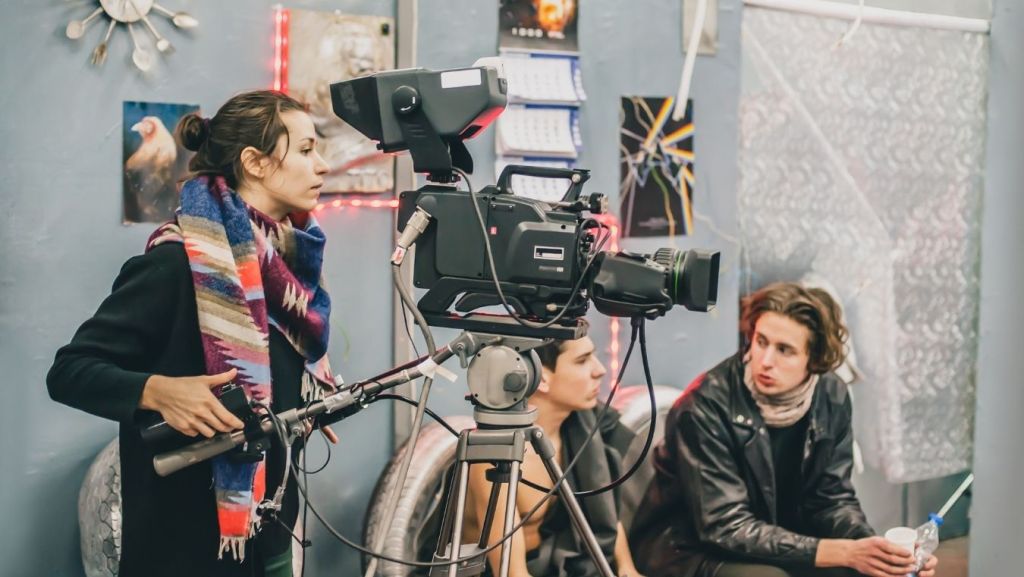
AI script coverage for indie filmmakers proves you don’t need Hollywood connections to get professional-grade notes on your work.
Professional feedback on scripts used to sit behind a wall built for people with agents, connections, or deep pockets. Now, you can get a much more affordable script coverage with artificial intelligence.
Here’s how you can get studio-level notes with AI, which is great, especially if you’re on a budget.
The Logline
- Traditional human coverage and script consultants charge hundreds to thousands of dollars per script. AI coverage tools reduce this financial barrier for indie filmmakers by charging a fraction of that.
- Treat AI coverage as your first pass, not your final read. AI is built to catch structural problems fast, but a human reader still matters before your script goes out the door.
- Greenlight Coverage stands out as a tool built for exactly this workflow, pairing fast turnaround with a strict no-training policy on your uploads.
What is AI Script Coverage (and How Does It Work)?
AI script coverage is a screenplay evaluation generated by a large language model (LLM) rather than by a human reader. It works by first uploading your screenplay, and then the tool reads through your structure, characters, dialogue, and pacing.
After that, it returns a full script coverage report, usually including a logline, synopsis, character analysis, notes on your three-act structure, and a Pass, Consider, or Recommend rating.
What a Typical AI Coverage Report Includes
| Report Element | What It Tells You |
|---|---|
| Logline | One sentence that sums up your whole story |
| Synopsis | A quick walkthrough of your plot from start to finish |
| Character analysis | Whether your character arcs feel earned and consistent |
| Structural analysis | How closely your story follows a working three-act structure |
| Dialogue assessment | Whether your dialogue sounds real for each character |
| Marketability score | How your script benchmarks against comparable produced titles |
| Development notes | Specific fixes for pacing, structure, or character gaps |
| Recommendation | A Pass, Consider, or Recommend rating |
Why Indie Filmmakers Need Affordable Script Coverage
Indie filmmakers need affordable script coverage because a single round of professional feedback can cost more than most micro-budget productions spend on their entire second act.
A script consultant can cost anywhere from $300 to $7,500 per script. Traditional human coverage runs cheaper but still adds up. One working screenwriter puts that range at $60 to $400 per script.
AI coverage provides you with actionable notes without requiring a lot of money and an agent relationship, which matters most for independent filmmakers who self-distribute, emerging writers, and anyone without a Hollywood address.
More than that, entry fees add up fast, and sending in a script with an unresolved structural problem wastes both the fee and the shot. Running AI coverage first improves script competitiveness before wider submission, and it costs far less than investing in multiple rounds of traditional human coverage.
The Cost Gap Between Studio and Indie Development
Here are the typical costs of traditional human coverage vs. hiring a script consultant vs. using an AI coverage tool:
| Coverage Type | Typical Cost |
|---|---|
| Traditional Human Coverage | $60-400 per script |
| Script Consultant | $300-$7,500 per script |
| AI Coverage Tool | $75-$345/month (Greenlight Coverage) |
Most indie filmmakers need more than one round of notes per script as they revise. Indie productions already work within some of the hardest film genres to pull off on a limited budget.
If you use AI for the first, second, and third drafts, and human coverage only for your final draft, you free up budget for production instead of spending it all on the review part.
AI Coverage vs. Human Script Readers: An Honest Comparison
Here’s a quick rundown of how AI coverage and traditional human review differ:
| Criteria | AI Coverage | Human Reader |
|---|---|---|
| Speed | Minutes to under an hour | Days to weeks |
| Cost | A few dollars to under $100 a month | $60 to $7,500 per script |
| Consistency | Same criteria applied to every script | Varies by reader's mood, taste, and workload |
| Structural Analysis | Strong at spotting act breaks and pacing issues | Strong, plus context on why a structural choice works |
| Emotional Nuance | Limited, can miss why an unconventional choice lands | Strong, picks up on subtext and intention |
| Cultural Context | Limited to patterns in its training data | Strong, brings lived experience and taste |
| Follow-up Dialogue | Instant, available any time | Depends on the reader's schedule |
Where AI Excels
AI coverage standardizes coverage format across genres and budgets and offers consistent grading criteria across multiple scripts, so you get the same read every time you upload a draft.
That consistency makes draft-to-draft comparison easy, something that’s tough to pull off with different human readers giving you different notes each round.
Where Human Readers Still Win
Human readers still beat AI at picking up on subtext, unconventional choices, and taste. A former studio reader tested Google Gemini on several screenplays and found the tool couldn’t always tell a deliberate stylistic risk from a mistake.
He put it simply, noting that AI “does not know if something is unconventional in a good way.” It just registers when something strays from a familiar formula.
How to Use AI Script Coverage in Your Development Workflow
Use AI coverage for your early drafts, and save a human reader for the final versions. That combination gets you fast, cheap iteration up front and real taste at the finish line.
Here’s how to use AI script coverage in your development workflow:
Step 1: Run AI Coverage on Your First Complete Draft
Upload your finished first draft in an AI coverage platform like Greenlight Coverage. Then wait 15-60 minutes to receive your full coverage report.
Step 2: Prioritize Structural Fixes Before Dialogue Polish
Once you get your report, prioritize structural and character weaknesses, narrative arc problems, and other critical issues regarding your script’s foundation. Fix plot holes first. Handle the dialogue polish last.
Step 3: Re-run Coverage After Major Revisions
After you’re done fixing those, re-run your script with Greenlight Coverage’s Script Rewrite feature. The Script Rewrite feature remembers your prior drafts and compares your newest version against them, so you get more precise feedback on what’s actually changed. Re-run your script repeatedly until you get the final version you’re satisfied with.
Step 4: Bring in a Human Reader for Your Final Draft
Invest in one round of professional human coverage or trusted peer notes once your draft is ready to submit. AI handles the iteration, but you still need a human reader to add taste and context an algorithm still can’t replicate as of now.
What to Look for in an AI Script Coverage Tool
To get the most out of AI script coverage tools, find a platform with the following features:
- A full script coverage report with a logline, synopsis, character analysis, and marketability score
- Follow-up question support so you can ask about specific scenes or notes
- Draft comparison or rewrite support that remembers your prior uploads
- A clear IP policy stating your script won’t be trained for future models
- Financial forecasting or budget tools if you’re pitching investors
- Pricing that fits an indie budget without a long contract
Your screenplay deserves a tool that checks all six boxes. Find it, and your development process becomes much less expensive.
Frequently Asked Questions
What is AI script coverage?
AI script coverage is a screenplay evaluation produced by a large language model rather than a human reader. It evaluates your plot structure, character arcs, dialogue, and pacing, then hands you a report with a Pass, Consider, or Recommend rating, usually within an hour.
How much does AI script coverage cost compared to traditional coverage?
AI script coverage costs far less than traditional options. Greenlight Coverage’s plans start at $75 a month, while traditional human coverage runs $60 to $400 per script, and script consultants can charge up to $7,500.
Can AI script coverage replace a human script reader?
No, AI script coverage works best as a first pass, not a replacement. It catches structural and pacing issues quickly and cheaply, but you still need a human reader for your final draft to capture the emotional and cultural nuances.
Is my screenplay safe when I upload it to an AI coverage tool?
Yes, but not all platforms handle this the same way. Choose platforms like Greenlight Coverage, which states it never trains its models on uploaded scripts and applies security measures to protect your intellectual property. Check any tool’s IP policy before you upload your screenplay.
Should I use AI coverage before submitting to film festivals?
Yes, running AI coverage before a film festival submission helps you catch structural weaknesses while they’re still cheap to fix. Entry fees add up fast, and fixing a pacing or plot problem before you submit protects that investment.
What screenplay formats do AI coverage tools accept?
Most AI coverage tools, such as Greenlight Coverage, accept screenplays in PDF format. Double-check the formatting requirements before you upload your screenplay.
Get Studio-Level Script Notes Today with Greenlight Coverage
Greenlight Coverage is a coverage engine built for exactly this workflow, pairing fast notes with a locked-down IP policy and pricing that doesn’t require a big budget. Reports land in under an hour, and every plan covers the same core report structure.
Start your free trial and put your next draft through it today.