 Skip to content
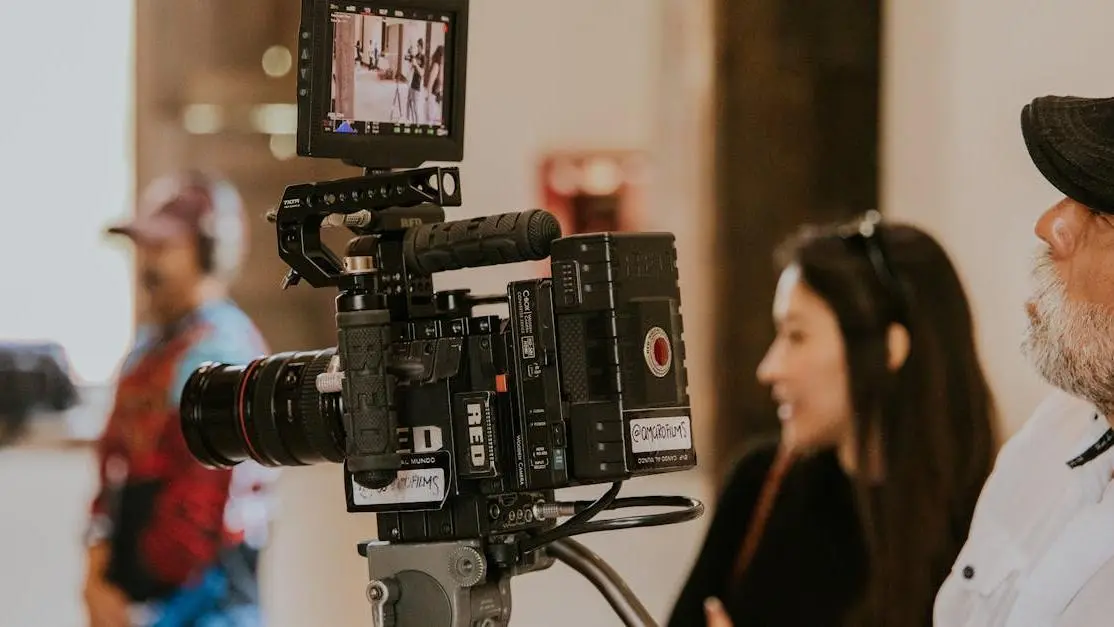
A24 films are independent features produced or distributed by A24, known for their original scripts, bold directorial vision, and strong emphasis on authentic storytelling.
These movies typically launch at major festivals, prioritize intimate and genre-bending narratives, and often succeed with lean budgets and distinctive characters.
For writers and producers aiming to emulate this success, focus on concepts with a unique point of view, magnetic roles, and practical budgets. Prioritize sharp, feedback-driven scripts and visually compelling materials before approaching partners or festivals. Use A24 films as a benchmark for quality, originality, and effective project packaging.
Use code 5OFFNOW to save on instant, professional script analysis with Greenlight Coverage.
Understand What Sets A24 Films Apart in the Industry
Writers and producers remain fascinated by A24’s rapid, seismic rise through the independent cinema ranks. One thing is clear: A24 projects get noticed, reviewed, and remembered. There is a blueprint you need to understand if you plan to break through with your own original work.
A24’s distinctive playbook includes:
- Auteur-driven projects: Directors with signature voices secure the green light more often than scripts with big-name stars or empty spectacle. Example: The idiosyncratic visions of Barry Jenkins (“Moonlight”) or Ari Aster (“Hereditary”) didn’t fit Hollywood formulas, but A24 championed them.
- Festival-first strategy: Most A24 films premiere at Cannes, Sundance, or TIFF. Early festival love transforms indie budgets into mainstream buzz magnets. This helps smaller stories, like “Lady Bird,” become industry events.
- Savvy release tactics: The “limited launch, expand if buzzy” distribution model builds momentum, maximizing modest budgets. “Uncut Gems” dominated headlines for weeks using this approach.
- Strong brand trust: When your film wears the A24 logo, audiences and critics expect risk, originality, or cultural voltage. The same project with a different distributor may not turn heads.
A24 provides proof that highly original voices, bold genre hybrids, and nuanced perspectives have a path to market visibility, not just niche respect. Their business model prioritizes vision, not formula.
A24’s rise showed that relentless focus on story and craft can turn lean productions into cultural moments—and this is the gold standard you should target.
We exist to help you sharpen your story until it’s ready for the most demanding industry eyes. Fast, honest feedback is power when every submission counts.
Identify the Essential Genres and Tones A24 Elevates
If you want your screenplay to sync with A24’s priorities, you need to understand the genres and tones that power their hits. A24 films are not random indie projects—they nail specific moods, challenge norms, and reward daring creative choices.
Core A24 Genres & Why They Work
- Psychological horror: Think “Hereditary” or “Midsommar”—these are not jump-scare-heavy but use dread, production design, and sound to unnerve.
- Offbeat drama: Examples like “Lady Bird” and “The Last Black Man in San Francisco” focus on character specificity and emotional rawness.
- Coming-of-age reinventions: “Eighth Grade” or “Moonlight” center identity exploration and personal stakes without clichés.
- Tonal hybrids: Projects such as “Uncut Gems” marry anxiety-thriller energy with deep character-building, showing how genres can morph in real time.
These genres work because they target audiences craving risk, mood, and innovation—not franchise sheen.
Hallmark Tones and Audience Psychology
A24 stands out because they choose scripts with:
- Introspective, tense moods: Audiences are held in suspense both emotionally and plot-wise.
- Darkly comic undercurrents: Scenes flip from uneasy to absurd. This builds memorable moments.
- Emotionally raw stories: Characters are messy, relatable, and fully realized, letting actors—and scripts—shine.
- Directorial boldness: Each film feels authored, not watered down.
Why does this succeed? Cinephile audiences want films that challenge, not coddle. They reward emotional honesty and subverted expectations, fueling critical attention and word of mouth. Win over these viewers, and your indie project can travel much farther.
Analyze the Business Model and Budget Realities for A24 Films
Pragmatism matters. You need more than an original script—your project has to match the scale and structure of what A24 buys or produces. Trying to play big studio games on an indie field gets you nowhere.
The data is clear:
- Typical budgets: Most A24 features fall between $1.5M and $10M. Case study: “Moonlight” was reportedly $1.5 million; “Hereditary,” closer to $10 million.
- Lean infrastructure: Quick shoots, streamlined crews, and controlled locations dominate. This saves resources for what counts: production design, sound, editing.
- Festival impact: Modest acquisition or production spending, followed by a major festival breakout, has powered many A24 successes (“Lady Bird” used Telluride and festival reviews to win awards chatter—and buyers).
- Packages that win: Magnetic original scripts, strong directorial vision, and castable, layered characters. No need for top-tier star attachments; instead, roles that let rising or transformative performers rewrite industry perceptions.
If you’re producing, bring tiered budgets and realistic projections. Resourcefulness—including profit participation, creative fee structures, and festival-ready deliverables—makes buyers take you seriously.
A24-style budgeting means every cent goes on screen and every dollar spent is strategic.
Learn How to Craft Concepts and Characters That Fit the A24 Mold
If “fresh, fierce, and personal” does not describe your project, it’s time to rethink. The A24 sweet spot: scripts that win with specificity, emotional charge, and roles that actors hunger for.
Quick Filter: Does Your Project Make the Cut?
- Is the worldview unique? Stories that say something new about society or subculture outperform copied formulas.
- Are the characters vivid? Every lead should offer contradictions, obsessions, and depth. “Moonlight” built three whole acts on one protagonist’s evolving complexity.
- Are stakes deeply personal? Forget world-in-peril plots. A24 purchases stories where the journey is intimate yet universally resonant.
- Is casting transformative? The best A24 scripts entice actors with the chance to stretch (“Uncut Gems” gave Adam Sandler a dramatic pivot).
Sharpen your pitch through these exercises: Write a page from your antagonist’s view. Boil your logline down to one core emotional image. Share scenes with actors or trusted readers to pressure-test raw impact.
Don’t hide behind reference films; use them to clarify, not to copy.
Master the Materials: Pitch Decks, Lookbooks, and Sizzles That Resonate
You can write the perfect script and still get nowhere if your presentation falters. A24-level projects demand materials that pulse with authority and clarity from page one.
Stand-out submissions include:
- Punchy loglines and synopses: Keep them vivid, concise, and tone-forward.
- Visual decks (lookbooks): Use evocative stills, color palettes, and location references to convey the world’s mood. Let reviewers “see” your film before a frame is shot.
- Sizzle reels: Short, high-impact mood/promotional videos work. Even if you must use temp footage, make the pacing and intent clear. Label unfinished elements to guide expectations.
- Three-budget plans: Always prep core, full, and investor-facing budgets to show you are ready for real conversations about scale.
Here’s where we help accelerate your success. Our script coverage and lookbook reviews give targeted feedback on every element, before you approach any buyer. We identify weak loglines, clarify messy tone, and help align visuals with script energy. Our platform gives you answers within minutes, not weeks.
In the right hands, packaging turns an “indie script” into a genuine industry contender.
Decode the A24 Packaging and Submission Pathway
You need more than a polished script to get in the door. Projects that grab A24 attention come with layers of proof and credibility. Let’s break down the real path.
Start by building strong producer and manager relationships. Most deals happen through industry connections, not blind pitches. A24’s acquisitions often begin with a trusted introduction or advisor—so network smart and surround your project with people who have festival experience.
Winning projects:
- Launch at festivals like Sundance, Cannes, or TIFF. These events act as audition stages for serious buyers. A festival slot shows the project is ready for wider industry scrutiny.
- Participate in respected labs or residencies. If your script comes out of the Sundance Institute, industry eyes take note. Lab participation is a quick route to invaluable endorsements and buzz.
- Showcase early social proof—awards, reviews, or press endorsements. Every bit of buzz you collect lowers the perceived risk for A24 or similar buyers.
Sequence matters. Refine materials first, then attach a credible director or production partner. Secure a key festival slot or lab success, build a sizzle or mood reel, then leverage your network for warm introductions. Only consider direct outreach if every layer is in place.
Don’t gamble on cold submissions. Social proof and industry relationships shift the odds in your favor.
Before you hit “send,” ensure your paperwork, rights structure, and legal details are transparent. This reduces negotiation friction and raises your project’s professionalism.
Case Studies: Why Certain Projects Worked and Lessons for Creators
Study the details and you’ll find every A24 breakout got there through careful planning and bold creative decisions. Use these examples to clarify your route.
Real-World Lessons from A24 Standouts:
- Moonlight: Made on a $1.5M budget with a laser focus on identity and intimacy. It built momentum via festival buzz, meticulous craft, and a vision that felt urgent and timely.
- Hereditary: At about $10M, this project doubled down on psychological horror and precision craft (sound, production design). It reshaped expectations for indie horror—investing in technical rigor set it apart.
- Lady Bird: Greta Gerwig’s autobiographical voice, tight dialogue, and detailed emotion created a universal coming-of-age hit. Festival exposure and early reviews catapulted it into awards conversation.
- Uncut Gems: Electric pacing and transformative casting (Adam Sandler in a new light) worked. Its anxiety-fueled approach generated both press and wide commercial interest.
- Civil War: With a higher budget near $35M, clever marketing and timing delivered the biggest IMAX success for A24, proving they can jump to wide-audience playbooks if the script supports it.
The pattern is clear: single-minded creative vision, exacting craft, and stepwise social proof. These films didn’t succeed by chance. They succeeded by preparation.
Each A24 win proved that sharp characters, obsessive detail, and unmissable packaging create opportunity.
Avoid the Common Pitfalls When Targeting A24 Films
Many projects miss the mark—not from lack of passion, but from critical, avoidable mistakes. Let’s help you avoid wasted effort and keep your script in the running.
Common obstacles to avoid:
- Incomplete pitch materials. Weak or missing lookbooks, no director’s vision, messy legal details.
- Derivative, copycat scripts. Leave clichés out of your submission. If your concept can be described as “X movie, again,” it’s time to rewrite.
- Overcooked budgets. Inflated above-the-line asks turn off indie buyers immediately.
- Vague loglines. If your pitch doesn’t signal emotion and specificity, it will disappear in a crowd.
Pressure-test your pitch with this fail-safe checklist:
- Strong, character-centered script.
- Attached director or established creative partner.
- Concise, well-designed pitch materials.
- Tiered, credible budgets.
- Clear festival and marketing plan.
- Any lab endorsements or press buzz.
Rejections will happen. Take them as redirection, not the end. Get feedback, refine weak spots, and build new social proof before returning. If your project is right, timing and persistence make the difference.
Turn Admiration Into Strategic Action: Your Replicable A24 Checklist
Watching A24 films is not enough. Study their methods, then act. Here’s how to build your own replicable pathway.
- Polish a character-first, sensory-rich script with emotional stakes.
- Compress your hook into one punchy logline and a one-page synopsis.
- Package your vision into a branded lookbook and 90-second mood reel.
- Prepare three budget scenarios for production conversations.
- Attach a director or recognized creative partner.
- Identify target festivals and labs that spark press and credibility.
- Build buzz—endorsements, early screenings, or lab success.
- Use our script coverage and lookbook analysis for instant, actionable feedback.
- Secure introductions via industry pros, not just cold emails.
Stay committed to iteration. Refine and test every stage. Use data and feedback to shape and sharpen your project before every meeting.
Small improvements, repeated with discipline, transform good ideas into real industry contenders.
Conclusion: Position Yourself for Success With the A24 Films Playbook
Breakthrough scripts do not happen by accident. They happen when you match vision with preparation and take a disciplined, step-driven approach to packaging and outreach.
Use what works. Apply elite feedback, sharpen your materials, and focus on real-world proof points—not just hope. The scripts that land with A24-level companies come ready to compete. We help you get there faster, with detailed guidance and support every step.
Ready to see your story in the spotlight? Start with great feedback. End with a project that stands apart.
