 Skip to content
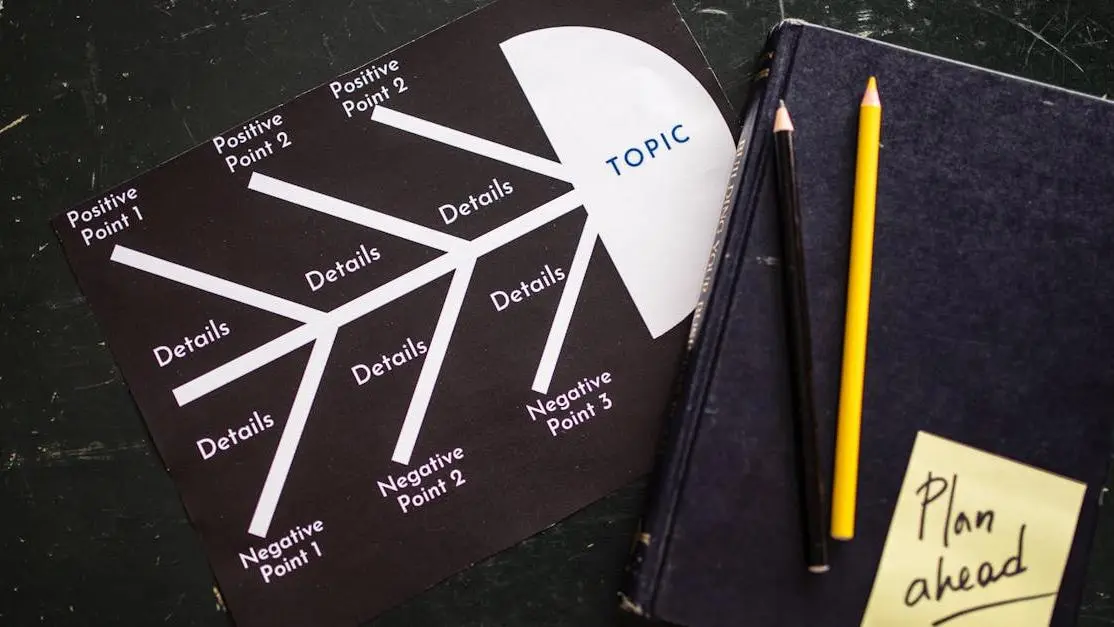
Story vs plot is the difference between a script’s emotional core and its sequence of events.
Story is the protagonist’s inner journey and transformation; plot is the framework of actions that drives that change.
Knowing how to separate—and connect—these elements is essential for writing scripts that stand out in industry coverage and get noticed by studios. Strong scripts pair a clear story with a structured plot, ensuring both reader engagement and production potential.
Use code 5OFFNOW to save on instant, professional script analysis with Greenlight Coverage.
Understand Why Story vs Plot Matters for Screenwriters
Screenwriters and producers know the stakes. Getting clarity on story vs plot shapes scripts that win the coverage game and reach the right decision makers. Every reader, exec, or buyer scouting new projects expects both a strong plot and a resonant story.
Why does this distinction matter?
- Writers often fail when they conflate the two, chasing big events without emotional drive—or writing powerful themes without tangible momentum. Scripts fall flat or feel disjointed when they focus on one but neglect the other.
- Industry coverage readers dissect both elements. They flag strong, clear plots that lack emotional arc as “hollow,” and layered stories lost in confusing plotlines as “promising but confusing.” Each weakness limits a script’s shot at a greenlight.
- Hollywood coverage is trained to spot these issues fast. If plot and story aren’t defined and harmonious, the script rarely advances past a first-pass read.
- The pros who use Greenlight Coverage want direct, actionable coverage. They need clarity on how story and plot loop together—because that’s what lifts a project out of the pile and onto a producer’s slate.
Scripts with dynamic events and a compelling emotional core are the ones buyers actually remember.
Pro writers and producers use this distinction not just to get noticed, but to get optioned and produced.
Define Story and Plot in Screenwriting
Grasping story vs plot isn’t just screenwriting jargon—it’s script science. To build a film that grips, you need both the emotional engine and the structural vehicle.
What Is Story?
Story is the “big picture.” It covers a character’s emotional journey, the core theme, and lasting change. Story answers who your characters are, why they act, and how they transform.
What Is Plot?
Plot means the sequence of events, the skeleton. Plot covers what happens, in what order, and how one scene triggers the next. It fuels pace, stakes, tension, and twists.
How Do Writers Get It Wrong?
Many scripts flop because writers chase spectacle (plot) but ignore growth, or obsess over a character’s pain without framing it through clear, escalating events.
Reality check:
- Story is the emotional arc—character, theme, transformation.
- Plot is the sequence of actions—structure, cause-and-effect, chronology.
- Coverage readers, including our own, mark scripts as “well-paced but soulless” when plot outpaces story, and as “confusing” when story lacks a framework.
- If your protagonist’s journey doesn’t evolve because of the plot, it will never hook a producer.
Explore Key Differences and Overlaps Between Story and Plot
Clear scripts keep story and plot distinct but interwoven. Every scene counts toward both—even if one leads the charge.
How Story and Plot Diverge and Connect
Writers make rapid progress by seeing story and plot as:
- Story drives emotion and theme. It’s the “why.”
- Plot creates logic, structure, and pace. It’s the “what.”
- The best scripts use plot events to force character change—think Andy’s redemption in The Shawshank Redemption or Elizabeth’s transformation in Pride and Prejudice.
Famous Examples
- In Star Wars, story is Luke’s path from insecurity to heroism. Plot: space battles, Death Star, rescue missions.
- In The Godfather, story is Michael’s chilling moral descent; plot is mob hits, betrayals, and power moves.
- Exceptional scripts never force readers to choose one or the other. When story and plot reinforce each other, scripts become memorable and coverages score them higher.
Overlapping story and plot is the secret to scripts readers call “cohesive, high-impact, and market-ready.”
Illustrate with Real-World Examples from Film and Screenplay Analysis
To build scripts that get traction, analyze top films where story and plot work together—never in isolation.
Compare these screenplays:
- The Godfather: Michael’s emotional arc powers the narrative, while each plot twist—hit, betrayal, ascension—fuels that arc. Readers ask, Does the plot justify Michael’s choices? Does the story drive each pivotal event?
- Star Wars: The plot (missions, battles, escapes) hooks us, but Luke’s growth is the engine. Effective coverage evaluates both, marking up where events accelerate growth or moments interrupt pacing.
- The Shawshank Redemption: Andy’s escape plan? Plot. His shift from despair to hope? Story. Both must be present to score well in any serious script evaluation.
- In professional coverage, weaknesses in either result in direct notes: Flat character, confusing events, stakes not high enough, theme underdeveloped. Our reports break down these layers, point by point.
- If you can’t quickly outline your protagonist’s emotional journey alongside your set pieces, you will struggle to sell the script.
The difference between holding a reader’s attention and losing them often comes down to these details.
Show How Plot and Story Shape Script Structure and Development
Story and plot shape every choice you make about structure, sequence, and character.
Scene-by-scene outlines, act breaks, and beat sheets map out plot. But effective writers also chart story—tracking how each stage triggers new emotion and growth.
Don’t guess. Scrutinize every scene:
- Does this event (plot) force my lead to change or decide (story)?
- Can I show that the protagonist’s internal journey turns at key plot moments?
- Using AI-driven scene-level feedback or our Full Context Reviewer, you get concrete notes on whether each scene pulls double duty.
The scripts that producers greenlight are the ones where story keeps drivers in their seats, and plot keeps the wheels in motion.
Successful scripts track emotional momentum and event logic with precision. That’s what pushes projects through development, into funding, and into production.

It’s easy to lose track of the big picture.
This worksheet brings structure to your plot and characters.
Provide Practical Techniques to Diagnose and Strengthen Story and Plot
If you want commercial scripts, you need more than instincts. Get systematic. Diagnose weaknesses, fix them fast, and push your script over the edge with focused, actionable exercises.
Hands-On Actions Every Screenwriter Should Take
Punch up both story and plot using these proven steps from our analysis room:
- Outline the emotional ride. Write down your protagonist’s journey from desire to change. Example: Shawshank’s Andy starts with hope lost, ends in victory and renewal. You want to spot if the story changes or just treads water.
- Bullet the big events. List the major plot turns—inciting incidents, reversals, climaxes. If your structure looks thin or scenes don’t escalate, your plot needs backbone.
- Ask the right questions: Does every event force the protagonist to make a hard choice? Can each scene be traced back to a crucial moment of character growth? If not, cut or rewrite.
- Quick comparative draft reviews. Pull up two versions. Note where plot changes shifted emotional beats—did a new set piece add stakes, or did it stall character growth?
- Use color-coding: Mark pages for emotional shifts (story) and plot mechanics separately. Gaps quickly reveal where the script’s pacing or resonance dies.
- Stack coverage feedback: Our token-based deep dives flag where your plot sprints ahead of your story or vice versa. Pinpoint and crush bottlenecks.
Small tweaks in scene order or dialogue can tip a confusing screenplay into a market-ready package.
This approach moves your project from “almost there” to serious contender.
Connect Story vs Plot to Industry Expectations and Script Coverage Success
You’re not just writing for yourself. You’re targeting readers trained to break down market viability in minutes. Balancing story and plot isn’t theory—it’s the key to success in modern script coverage, studio reads, and funding meetings.
What the Industry Actually Wants
When studios, investors, and execs open a script, they want to see both emotional depth and a rock-solid event structure.
- Coverage readers spot the gaps. A script with clear plot logic and shallow character arcs gets marked for pass. Scripts with deep themes but muddled events get the same fate.
- We see the winning combo. The projects flagged as “greenlight” in our coverage are the ones with plot moves that spark clear shifts in character and stakes.
- Financial forecasts play a role. High-concept plots with emotional hooks create stronger market projections and draw investors.
- Real project results. Clients who use our full reports, from Producers Guild members to first-time writers, share a track record of quicker studio interest and option deals when their rewrites align plot and story.
- Speed equals momentum. Scripts refined with integrated, industry-standard feedback jump the line—because both execs and finance look for coverage proof before signoff.
When story and plot are both strong, your script moves from “interesting” to “must produce.”
This is what editors, producers, and readers expect—and they respond with offers.
Draw Inspiration from Script Coverage Tools and Feature Breakdown
Writers and producers need systems, not guesswork. Take the pressure off your gut check—lean on professional coverage and advanced tech.
How Our Tools Help You Nail Both Story and Plot
Smart scripts win when creators check every stage:
- Logline and synopsis filters. We break your project down to the essentials—do both plot beats and story promise show up on page one?
- Scene-by-scene and structural analysis. Instant comparison—where does your story sag, your plot tangle, or the stakes drop?
- AI proofreading and budget checks. Know if you missed a key beat or your project can actually get made on a real-world budget.
- Privacy first. When you submit a draft, your ideas are secure—and you get blunt, actionable feedback, fast.
- Top-tier coverage—no waiting. With industry-vetted readers and immediate AI support, you spend less time wondering, and more time acting.
Use every tool at your disposal to spot, diagnose, and fix issues. Good scripts show potential. Exceptional scripts hit every beat and survive scrutiny—fast.
Empower Your Screenwriting by Mastering Story vs Plot
Now you have the basics and the details. Balance both elements with ruthless self-assessment and a willingness to revise. Make follow-up and rapid feedback your habit.
You want more than just a readable draft. You want a script that moves, that gets championed by readers, and that producers fight for. Our top users integrate digital coverage, AI, and professional notes to revise both plot twists and emotional turns—every draft, every round.
By focusing on story and plot, you push closer to option deals, stronger pitches, and industry trust.
Your path to a fast, confident greenlight doubles in speed and impact when story and plot work together.
Keep pushing, keep testing, and keep leveling up your scripts.
Conclusion: Take Action to Elevate Your Next Script
Ready for the next level? Review your screenplay now.
Ask yourself: Where does the plot compel action, and where does the story land emotionally? Use coverage, feedback, or our instant AI notes to zero in on weak areas. Apply what you learn. Move fast. Collaborate smarter.
Every revision you make brings you closer to a script that sells itself—inside the reading room and in the market.
Don’t wait for permission. Start building a script producers can’t ignore.
