 Skip to content
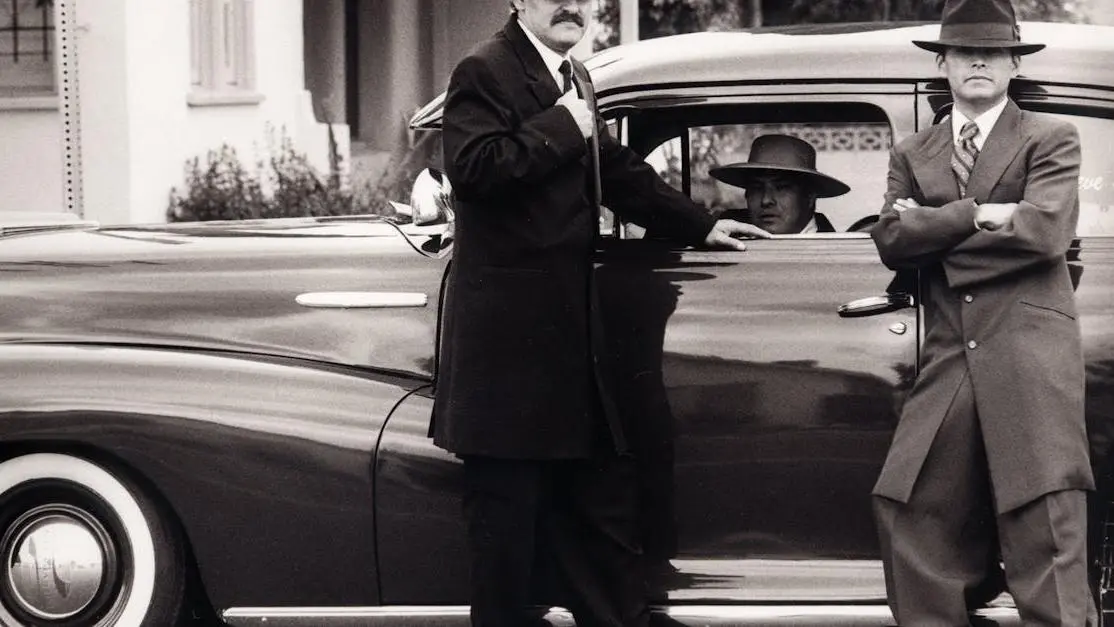
Ever wondered why Hollywood gangster portrayals leave a lasting impact? This article explores 12 unforgettable performances that have defined the genre.
From Marlon Brando’s iconic Vito Corleone in “The Godfather” to Al Pacino’s unforgettable Tony Montana in “Scarface,” each portrayal offers valuable lessons for screenwriters. Discover how these characters shaped film narratives, providing a framework to enhance your scripts with depth and complexity.
Get 5% off your screenplay analysis. Use code 5OFFNOW to save on instant, professional script analysis with Greenlight Coverage.
1. Marlon Brando in “The Godfather”
Marlon Brando’s performance as Vito Corleone in The Godfather is a seminal moment in cinematic history that reshaped how we perceive gangster characters. Brando brought a nuanced depth to the role, making Vito not just a figure of power but also one of remarkable complexity. This portrayal blends authoritative control and undeniable charisma, creating a character that commands attention and respect.
- Compelling Physical Transformation: Brando transformed himself physically for the role, using cotton balls to alter his voice and adding subtle touches that would define Don Corleone’s imposing presence.
- Emotional Complexity: Instead of a flat villain, Brando’s Vito Corleone shows layers of emotional depth, oscillating between ruthless decision-making and deeply familial priorities.
- Benchmark for Future Roles: His portrayal set the standard in Hollywood, inspiring actors and screenwriters to delve deeper into the psychological dimensions of gangster roles.
By embodying both the warmth of a family patriarch and the cold calculus of a mob boss, Brando’s Vito Corleone becomes a benchmark for character-driven storytelling. This performance invites writers to explore similar complexities in their own characters.
2. Al Pacino in “Scarface”
Al Pacino’s portrayal of Tony Montana in Scarface redefined the gangster role with a performance that was both electrifying and iconic. Tony Montana’s irresistible blend of ambition and irreverence becomes a cautionary tale that captures the audience’s attention. Pacino’s performance is an insightful study on the obsession with power and the darker sides of the American Dream.
- Charismatic Rebellion: Tony Montana’s character breaks away from traditional gangster portrayals with a defiant nature and unmatched charisma that draws viewers in.
- Cultural Impact: Montana’s journey from a Cuban immigrant to a notorious kingpin resonated deeply with audiences, influencing pop culture and gangster narratives.
- Target for Copycats: Lines like “Say hello to my little friend” have transcended the film itself, echoing through culture and inspiring future storytelling across media.
Pacino’s intense and unwavering portrayal of Tony Montana addresses themes of ambition, excess, and eventual downfall, providing a rich source for writers keen on exploring these narratives in their own work.
3. Robert De Niro in “Goodfellas”
In Goodfellas, Robert De Niro’s portrayal of Jimmy Conway is a masterclass in embodying the gritty realism of a high-ranking mobster. De Niro’s method acting brings authenticity to the character, immersing audiences in a world where crime and camaraderie intersect perilously with betrayal.
- Method Acting Brilliance: De Niro’s commitment to realism, from learning real-life mobster habits to the subtle expressions of power, creates a multi-dimensional characterization of Jimmy Conway.
- Subtle Storytelling: Through De Niro’s nuanced acting, we see how Conway’s ambition and paranoia drive his actions, adding layers to the film’s narrative depth.
- Critical Acclaim: Critics often cite De Niro’s role in “Goodfellas” as a turning point for realistic gangster portrayals, paving the way for similar performances.
This portrayal highlights the tension between loyalty and survival, elements of storytelling that can deeply engage audiences, offering screenplay writers a rich vein to mine for character development.
4. Joe Pesci in “Casino”
Joe Pesci is electrifying as Nicky Santoro in Casino, a performance marked by explosive energy and chilling menace. Drawing from real-life mobster Anthony Spilotro, Pesci’s Nicky is a volatile mix that draws both fear and fascination, illustrating the duality within gangster characters.
- Dynamic Energy: Pesci’s portrayal channels unchecked aggression and power, creating an unforgettable presence on screen.
- Humor and Horror: This character successfully balances comedic elements with darkness, making Santoro both entertaining and terrifying to watch.
- Deeply Human Flaws: Santoro’s story serves as a cautionary tale about hubris and loyalty, offering cinematic insights into the lives affected by organized crime.
Pesci’s dynamic approach inspires writers to embrace contrasting traits in their characters, challenging them to build stories that captivate and unsettle in equal measure.
5. Ray Liotta in “Goodfellas”
As Henry Hill in Goodfellas, Ray Liotta embodies the intoxicating allure and eventual tragedy inherent in the gangster lifestyle. His performance brings a believable arc to the character, capturing the seductive rise and fall within the criminal underworld.
- Authenticity and Depth: Liotta’s naturalistic performance resonates because of its authenticity, keeping audiences engaged and invested in Hill’s journey.
- Narrative Perspective: His character provides a firsthand account that enriches the film’s narrative through detailed storytelling and compelling voiceovers.
- Symbolic Journey: Hill’s rise and subsequent decline act as a mirror to the American Dream’s darker facets, encouraging exploration of similar themes in modern screenplays.
Liotta’s role is a benchmark in emotionally driven storytelling, challenging screenwriters to depict both the glamor and the pitfalls of their characters’ lifestyles with authenticity and gravitas.
6. Denzel Washington in “American Gangster”
In American Gangster, Denzel Washington as Frank Lucas provides a unique take on the gangster archetype, delivering a performance that stands out with its elegance and control. Washington portrays Lucas as a savvy, business-minded kingpin who breaks traditional depictions of organized crime.
- Cultural Breakthrough: Frank Lucas’s character challenges racial norms, carving a space for diverse narratives within the genre.
- Commanding Presence: Washington’s portrayal emphasizes Lucas’s disciplined approach to power, contrasting the often unpredictable nature of typical gangster portrayals.
- Insightful Storytelling: The film highlights the intersection of crime and culture, offering valuable insights for creatives aiming to blend social commentary with compelling narratives.
Washington’s performance shines a light on how screenwriters can disrupt stereotypes to create fresh and engaging stories, enriching the gangster genre with diverse perspectives and driven characters.
7. Jack Nicholson in “The Departed”
Jack Nicholson’s portrayal of Frank Costello in The Departed is nothing short of mesmerizing, a performance that marries humor with menace. Nicholson brings a seasoned charisma to the role, making Frank Costello a character that is both enigmatic and sinister.
- Irresistible Charisma: Nicholson’s engaging dynamic on screen captures the audience’s attention, infusing the character with unpredictable energy.
- Psychological Depth: The portrayal gives insight into the underlying chaos and calm of organized crime, providing a nuanced perspective on leadership and betrayal.
- Cultural Reflection: In Costello’s character, we see a reflection of broader societal tensions, offering storytellers a way to explore complex themes through character interactions.
Nicholson’s approach underscores the importance of character complexity, encouraging writers to craft multifaceted individuals who can effectively explore the dualities in power and influence.
8. James Cagney in “White Heat”
James Cagney’s portrayal of Cody Jarrett in White Heat is a hallmark of cinematic gangster history. His performance broke new ground by fusing psychological complexity with raw brutality, setting a revolutionary benchmark for future film portrayals.
- Emotional Complexity: Cagney’s Cody is not just about intimidation and crime; he peels back layers to reveal deep-seated emotional turmoil. This psychological depth was a pioneering move for its time.
- Innovative Character Dynamics: The intense mother-son relationship was groundbreaking, adding psychological tension that’s echoed in modern classics like The Sopranos.
- Impact on Future Films: Cagney set a new direction for gangster films. His nuanced portrayal invited filmmakers to explore themes of personal struggle, influencing generations of screenwriters.
The innovation in Cagney’s role calls for writers to infuse their characters with emotional depth, opening narratives that resonate on multiple levels.
9. Humphrey Bogart in “The Petrified Forest”
Humphrey Bogart’s role as Duke Mantee in The Petrified Forest was a pivotal moment that catapulted him from supporting roles to stardom. This performance laid the foundation for noir and tough-as-nails yet charming characters.
- Transition to Stardom: Bogart’s compelling presence transformed him into a leading man, showcasing his capacity for portraying a character with layered charisma and menace.
- Evolution of Noir: Duke Mantee contributed to defining the noir genre, highlighting both danger and seduction in his portrayal.
- Trailblazing Influence: The role encouraged narratives that embraced complexity and style, inspiring screenwriters to create characters that captured the duality of charm and threat.
Bogart’s portrayal emphasizes the power of character development, coaxing writers to tread beyond traditional crime figures into engaging, multifaceted storylines.
10. Edward G. Robinson in “Little Caesar”
Edward G. Robinson’s depiction of Rico Bandello in Little Caesar is a cornerstone of the gangster film canon. His portrayal defined a new archetype, blending cool calculation with ambition.
- Cold Calculating Persona: Robinson’s Rico was methodical, capturing the strategic ruthlessness that became the hallmark of gangster character portrayals.
- Emotional Undercurrents: The film’s exploration of masculinity and emotional complexity set a precedent, adding layers of human elements to criminal personas.
- Archetype Development: Robinson laid groundwork for gangster characters, influencing screenwriters to enrich their narratives with psychological and emotional authenticity.
Robinson’s portrayal invites screenwriters to craft characters with a balance of outward coolness and inner complexity, enriching storytelling through intricate dynamics.
11. Joe Pantoliano in “The Sopranos”
Joe Pantoliano’s portrayal of Ralph Cifaretto in The Sopranos captures the evolving landscape of modern TV gangsters. His character blends dark humor with volatility and intrigue, creating a complex on-screen figure.
- Complexity and Humor: Ralph’s unpredictable nature balances humor and threat, providing a sophisticated portrayal that captivates and engages audiences.
- Modern Narrative: The role reflects the deeper psychological insights of current crime drama, drawing from and advancing previous portrayals.
- Influence on Screenwriting: Pantoliano’s Ralph advances narrative storytelling, inspiring writers to dive into multi-layered characters with real-world resonance.
Pantoliano’s performance teaches screenwriters to venture into more layered portrayals, capturing the chaos and camaraderie of modern crime life with precision.
12. Steve Buscemi in “Boardwalk Empire”
Steve Buscemi’s role as Nucky Thompson in Boardwalk Empire offers a polished retro narrative layered with authenticity. His portrayal richly captures the twin facets of political intrigue and criminal power during Prohibition.
- Rich Historical Narration: Buscemi intertwines Nucky’s prowess in the politics and crime of the era, reflecting the elegance and grit required to blend historical elements with engaging story.
- Sophisticated Character Balance: He deftly balances Thompson’s refined exterior with strategic depth, making the character relatable and intriguing.
- Inspiration for Screenwriters: Buscemi’s portrayal encourages the infusion of refined complexity into stories, weaving historical authenticity with character development.
Buscemi’s take on Nucky inspires a nuanced narrative approach, ensuring writers consider historical accuracy while driving character depth.
Modern Influences on Gangster Film Scripts
The modern era of gangster portrayals in film and television has significantly reshaped screenwriting, creating a tapestry of influences that enrich narrative complexity. These portrayals have introduced nuanced cultural contexts and psychological depths, offering fresh perspectives for screenplay writers.
- Cultural Perspectives: Contemporary portrayals have incorporated diverse backgrounds and cultural histories, revolutionizing character development. This broadens the scope of storytelling by integrating various socio-political narratives.
- Psychological Complexity: Characters now embody intricate motives and emotional landscapes, moving away from simplistic good-vs-bad dichotomies. This invites writers to craft more compelling, relatable characters.
- Narrative Depth: The integration of real-world issues and personal transformations reflects a trend towards authentic storytelling that resonates with modern audiences. Writers can thus mirror today’s societal complexities within engaging storylines.
These influences equip screenwriters with tools to elevate their craft, blending current narratives with psychological insight and cultural awareness.
Cultural Reflections and Impact
Hollywood’s gangster portrayals offer a vivid reflection of societal attitudes towards crime, evolving in step with cultural change. By analyzing these portrayals, we unveil a mirror held up to society, showing fluctuating perceptions over time.
- Dynamic Evolution: Early portrayals often romanticized criminal glamour. Today, stories capture stark realities, weighing ethical implications and personal consequences.
- Shifting Morality: As society grapples with the interplay of power and ethics, gangster stories echo these challenges, resonating with audiences seeking complex moral exploration.
- Narrative Resonance: These portrayals provide fertile ground for discussing broader social challenges, guiding screenwriters to imbue stories with deeper thematic content.
By acknowledging these cultural shifts, screenwriters can enrich their narratives, crafting stories that not only entertain but provoke thought and reflection.
Conclusion
At Greenlight Coverage, we understand the magnetic pull of Hollywood’s gangster portrayals and their power to inspire storytellers. As these iconic characters showcase, the richness of storytelling lies in understanding and embracing the multifaceted nature of humanity. In your journey to create compelling narratives, let these portrayals guide and deepen your screenwriting pursuits.
Get 5% off your screenplay analysis. Use code 5OFFNOW to save on instant, professional script analysis with Greenlight Coverage.
