 Skip to content
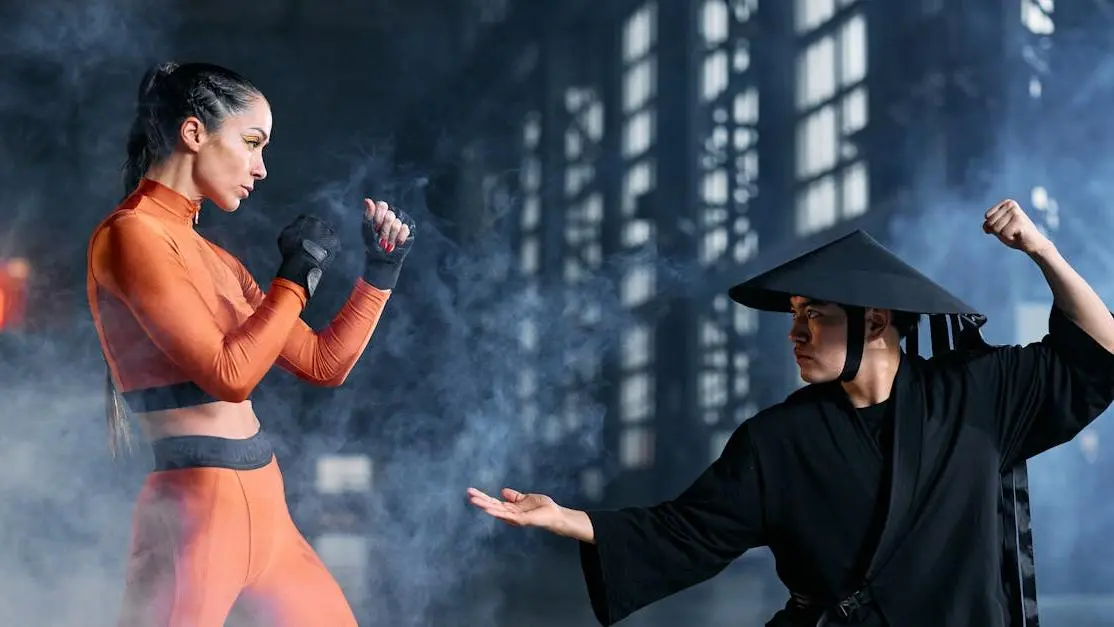
Crafting engaging, cinematic fight scenes is an art that requires careful balance and creativity. Screenwriters often face the challenge of making these scenes captivating while ensuring they propel the story forward.
We’ve created a helpful guide for professionals seeking to enhance their screenplay’s action sequences:
- How to write cinematic fight scenes that capture audiences’ attention.
- Learn to develop a unique visual and emotional style.
- Master the art of pacing and timing for impactful storytelling.
Get 5% off your screenplay analysis. Use code 5OFFNOW to save on instant, professional script analysis with Greenlight Coverage.
Understand the Purpose of Your Fight Scene
Writing compelling cinematic fight scenes requires understanding their purpose within your screenplay. These scenes aren’t just about showcasing action—they’re vital narrative tools that enhance your story’s depth. They must serve a clear function, whether it’s advancing plot, revealing character complexities, or increasing dramatic tension.
- Character Development: Fight scenes should highlight unique character traits. Does your protagonist fight with honor? Is your antagonist reckless? These moments reveal motivations and character depths.
- Plot Advancement: Every altercation must push the story forward. Is this fight about reaching a goal, or is it a turning point? Ensure it impacts your broader narrative.
- Emotional Impact: Engage your audience emotionally. High stakes, both physical and emotional, make viewers care about the outcome.
Avoid scenes that feel like filler. Focus instead on integrating the fight naturally within your screenplay’s progression. Keep it meaningful and aligned with your characters’ arcs. If you want further insights into how narrative arcs function, check out this valuable resource.
Develop a Visual and Emotional Style
Creating a distinct style for your fight scenes involves merging visual dynamics with emotional weight. This blend captivates viewers and supports the screenplay’s tone. Here’s how you can accomplish this:
- Visual Cues: Craft vivid imagery. Describe movements and settings with precision, letting viewers visualize the action clearly. Moods can change dramatically through lighting and setting. For more on this, explore the concept of visual style in screenwriting.
- Emotional Resonance: Pair action with emotion. A fight isn’t just physical—it’s about what characters feel during the confrontation. Are they angry, scared, or resolute? Consider techniques that can help to evoke emotion through visual storytelling.
Use visual style to evoke emotion. Well-choreographed fights resonate beyond the screen, impacting audiences at an emotional level. Keep this in mind as you build your story’s fight scenes.
Master the Art of Pacing and Timing
The rhythm and timing of a fight scene are crucial in maintaining audience engagement. It’s about balancing action with suspenseful pauses, creating a dynamic flow that captivates.
- Varied Intensity: Mix high-octane moments with quieter ones. Let tension build before the explosive action begins.
- Efficient Use of Time: Don’t drag scenes. Keep them concise, maintaining momentum and urgency.
- Suspense and Payoff: Lead up to key moments deliberately. Effective pacing maximizes emotional impact and leaves viewers satisfied.
Master pacing to ensure your scenes feel lively and natural, not forced or rushed. For more insights on pacing techniques that maintain engagement, consider exploring helpful resources.
Create Distinct and Memorable Characters
Characters bring fight scenes to life. Each fighter should be unique and memorable, not just through words but through their actions.
- Fighting Style as Expression: Let character traits dictate fighting styles. Is a character calculated or impulsive? Their approach to combat should reflect those traits.
- Character Arcs in Combat: Fight scenes should mark pivotal moments in a character’s journey. Do they grow or regress? Do we see a new side to them?
Interweave character development with action, ensuring fights serve a larger narrative purpose. Characters drive your story, and their authenticity adds substantial depth to your screenplay.
Use Setting to Enhance the Action
When crafting cinematic fight scenes, the setting plays a pivotal role in shaping the narrative and propelling the action. The environment can vastly influence the dynamics of a scene, adding new layers of complexity and tension.
- Strategic Use of Environment: Settings aren’t just backdrops; they should interact with the characters. Whether it’s a frenetic skyscraper rooftop or a confined alleyway, each setting presents unique opportunities for creative choreography.
- Tone and Atmosphere: Choose settings that complement the scene’s emotional and visual tone. A dimly lit underground facility might heighten suspense and mystery, while a sunlit open field could amplify tension with nowhere to hide.
- Dynamic Obstacles and Opportunities: Introduce elements that characters can use strategically. A rolling boulder, a narrow bridge, or even an unexpected rainstorm can significantly alter the fight dynamics.
By leveraging diverse settings, you can create scenes that not only excite but also enrich the narrative. For more on how to craft settings that serve this purpose, consider exploring the concept of environmental dynamics in film.
Collaborate with Experts for Authenticity
Ensuring authenticity in cinematic fight scenes calls for collaboration with experienced professionals. Their expertise can offer invaluable insights into crafting both realistic and safe portrayals of combat.
- Consult Stunt Coordinators: With their practical knowledge, stunt coordinators can help you design scenes that are both thrilling and believable while keeping safety in mind.
- Engage Fight Choreographers: These specialists offer insights into realistic movements, ensuring combat scenes are both visually stunning and feasible for actors.
- Leverage Martial Arts Experts: With their input, you can incorporate genuine techniques, adding layers of authenticity that resonate with audiences familiar with specific fighting styles.
Working with such experts not only enhances the quality of your scenes but also ensures credibility, which is crucial for maintaining audience investment. Authentic action scenes can deeply move viewers, grounding the spectacle in reality and keeping viewers engaged.
Utilize Dialogue and Sound to Elevate Tension
Dialogue and sound are powerful tools in heightening the tension and emotional impact of fight scenes. These elements should seamlessly blend with the action, enhancing the storytelling experience.
- Purposeful Dialogue: Use concise, powerful dialogue that reflects the stakes and character motivations. Ensure words spoken add depth rather than distract from the visual storytelling.
- Sound Design: Integrate sound to augment tension. Well-timed sound effects, like the crack of a punch or the clashing of swords, immensely contribute to the scene’s immersive experience. For more on effective techniques, check out this article on sound design.
- Impactful Silence: Don’t underestimate silence’s power. Strategic pauses can amplify intensity, drawing the audience deeper into the action.
By skillfully incorporating dialogue and sound, you amplify the emotional weight of your action scenes, leaving a lasting impression. Sound and dialogue should support, not overshadow, the visuals, making each moment count.
Utilize Greenlight Coverage for Iterative Feedback
At Greenlight Coverage, we’re all about helping you refine your screenplay with expert feedback. Use our service to ensure your cinematic fight scenes perform at their best.
- Receive Expert Feedback: Our experienced team provides commentary that focuses on clarity, pacing, and narrative coherence of your action scenes.
- Act on Constructive Criticism: Feedback highlights both strengths and areas for improvement, acting as a guide to strengthen your screenplay’s fight sequences.
- Enhance Storytelling: With additional perspectives, you uncover new possibilities for character development, setting, and plot integration.
The iterative feedback process is invaluable in constantly improving your screenplay. By integrating expert advice, your combat scenes can become even more engaging, coherent, and compelling. Visit Greenlight Coverage today to see how we can elevate your project through professional feedback and support.
Conclusion
Crafting riveting cinematic fight scenes entails a multifaceted approach, integrating dynamic settings, expert collaborations, captivating dialogue, and strategic sound design. By following these guidelines and leveraging feedback tools like Greenlight Coverage, you pave the way for action-packed scenes that truly resonate with audiences.
Get 5% off your screenplay analysis. Use code 5OFFNOW to save on instant, professional script analysis with Greenlight Coverage.
