 Skip to content
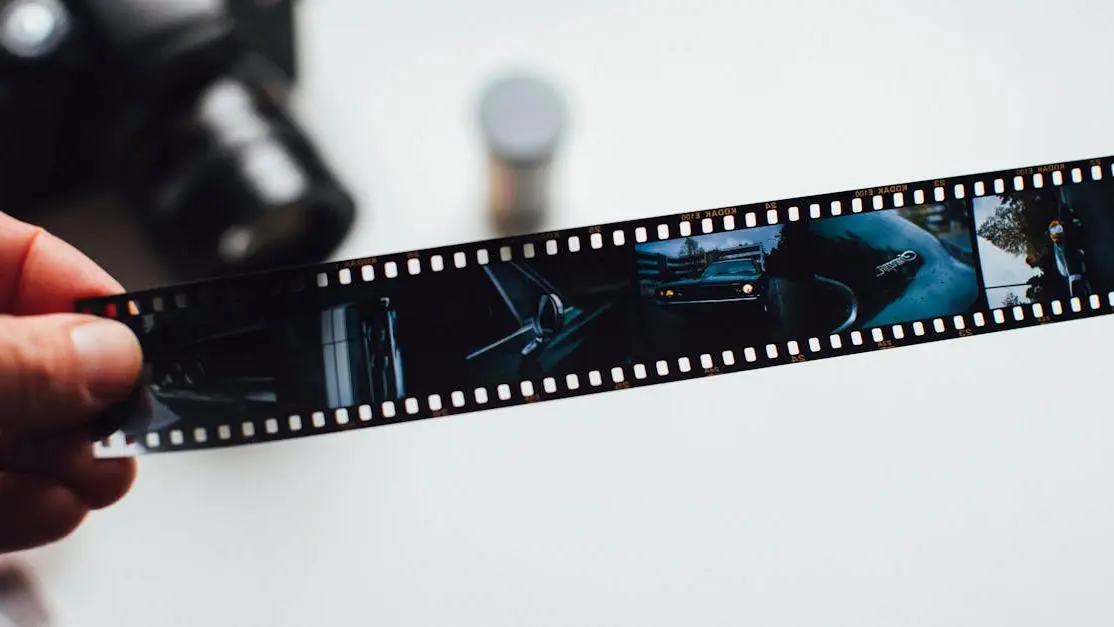
Montages in film are sequences of edited shots that condense time, space, and information to enhance storytelling. They create powerful narrative impacts by streamlining complex developments or changes into brief, engaging visuals. Montages appear in various forms across genres, from training sequences in action films to the evolution of relationships in romances. Whether crafting dynamic sequences or emotional arcs, understanding montages can enrich filmmakers’ storytelling tools.
Get 5% off your screenplay analysis. Use code 5OFFNOW to save on instant, professional script analysis with Greenlight Coverage.
The Origin and Evolution of Film Montages
Montages in film have a rich history that stretches back to the early years of cinema. One cannot discuss montages without acknowledging their origin within Russian cinema, specifically tied to the groundbreaking work of Sergei Eisenstein. As a principal figure in the development of montage theory, Eisenstein utilized this technique to revolutionize film’s narrative capabilities.
How Did Montages Begin?
Montages began with the Soviet filmmakers of the 1920s, who discovered that by juxtaposing various shots, films could produce ideas and emotions unattainable through individual images. Eisenstein’s work exemplified this, where his films like Battleship Potemkin offered a visceral portrayal of social revolutionaries. He crafted sequences that intensified the emotional and intellectual reach of cinema.
What Impact Did Soviet Montage Theory Have?
The Soviet Montage Theory, championed by Eisenstein and peers like Lev Kuleshov, emphasized the ability of editing to create new meaning. Through careful arrangement, once unrelated images resonate together to evoke complex thoughts in viewers. For instance, by cutting between contrasting images like a grieving mother and brutal soldiers, filmmakers could evoke stronger emotional responses from audiences.
How Have Montages Evolved Over Time?
The influence of the Soviet Montage Theory permeates through subsequent decades of filmmaking. This technique transcended its Soviet roots, finding applications worldwide across various genres. From classic Hollywood renditions to today’s independent films, montages have become a staple to show the passage of time, illustrate emotional transitions, and enhance storytelling with depth and vibrancy.
Greenlight Coverage continues to study these applications and how they enhance modern filmmaking. Explore more about the Script Analysis that informs creative storytelling techniques.
Types of Montages in Film
Montages serve multiple purposes across narratives. They can entertain, educate, and evoke poignancy by compressing time and space without losing narrative clarity. Here, we explore the different types of montages that have been used across cinematic storytelling.
What Are Narrative Montages?
Narrative montages are instrumental in condensing long periods into short sequences, helping drive plot progression. A classic example is the training montage seen in films like Rocky. These sequences highlight characters’ development arcs or prepare them for significant events by showing skill acquisition or growth in concise visual vignettes.
What Defines Musical Montages?
Musical montages encapsulate emotion and tone through carefully selected soundtracks. These sequences often rely solely on music to guide the audience’s emotional journey. For instance, the “Raindrops Keep Fallin’ on My Head” scene in Butch Cassidy and the Sundance Kid uses music to evoke a playful, carefree aura during a brief respite from the film’s tension.
How Do Thematic Montages Differ?
Thematic montages intertwine multiple storylines or scenes to unify under a central theme. Eisenstein mastered this with intellectual montages, making connections between disparate images crucial to the film’s moral or political message. Stanley Kubrick’s 2001: A Space Odyssey offers a prime example, connecting epoch-spanning images through a single-cut transaction, reflecting on humanity’s evolution.
The Role of Montages in Screenwriting
Mastering the montage is vital for any screenwriter seeking to create concise yet emotionally potent scripts. Montages can enhance cinematic experiences by effectively narrating what might take pages of script to describe.
Why Are Montages Key in Screenwriting?
Montages streamline storytelling by packing significant narrative elements into brief, engaging sequences. They accelerate the story without losing emotional depth. For example, the montage in Up succinctly captures a lifetime of shared memories, immersing audiences in the protagonist’s emotional landscape without dialogue.
How Can Montages Develop Characters?
Montages provide a dynamic method to depict character transformation. Characters can undergo significant change within a few minutes, allowing audiences to witness their growth visually. In Batman Begins, Bruce Wayne’s transformation into Batman is shown through a series of training and discovery sequences, propelling him from privileged heir to vigilante hero.
What Considerations Are Crucial for Screenwriters?
Screenwriters must consider the balance and placement of montages within the script. Over-reliance can dilute a story’s impact. Each montage should serve clear narrative purposes, providing the audience with essential insights or advancing the plot meaningfully. Screenwriters should also ensure their montages are well-integrated into the overall storyline flow.
Techniques for Creating Effective Montages
Montages are powerful tools when crafted with intentionality and precision. Effective montages require a blend of editing styles, transitions, and music to captivate and communicate effectively.
Which Editing Styles Enhance Montages?
Rhythmic and intellectual are two key editing styles in montages. Rhythmic montages align cuts with movement or music, driving the narrative pace. They foster dynamic visual harmony, as seen in Edgar Wright’s films, where precise timing between visuals and sound creates compelling sequences. Intellectual montages, in contrast, focus on conveying abstract concepts by juxtaposing contrasting images to form connections in viewers’ minds.
How Do Transitions Affect Viewer Engagement?
Transitions bridge individual shots into a cohesive sequence. They naturally guide audiences through emotional and narrative shifts. Cross-cutting between parallel actions can maintain tension while fading transitions mark time transitions or emotional shifts. In Pulp Fiction, Tarantino’s effective use of transitions guides viewers through interconnected yet non-linear stories.
Why Is Music Selection Crucial?
Music plays an integral role in crafting montage atmospheres. A well-chosen score can amplify emotions and enrich storytelling. In The Royal Tenenbaums, music synchronizes with visual themes, providing emotional depth and context to the characters’ journeys. Music selection offers more than background; it shapes the emotional landscape of montages, setting the tone and pacing critical to narrative success.
Through understanding these elements and harnessing them creatively, filmmakers can transport audiences, bridging time and space with impactful narrative clarity.
Iconic Montages in Film History
Montages have played pivotal roles in crafting unforgettable scenes and narratives in film history. Greenlight Coverage has examined various montages, providing insights into how they have influenced cinematic storytelling over the years. You can learn more about our script analysis here.
What Makes a Montage Iconic?
An iconic montage captures the essence of a story, leaving an indelible impact on audiences. It encapsulates emotions and narrative depth within a concise time frame, enhancing the story’s memorability. Here’s how some notable films have mastered this art.
- “Rocky” (1976): The training montage is arguably one of cinema’s most famous. Accompanied by “Gonna Fly Now,” it captures Rocky Balboa’s transformation from underdog to champion. This sequence epitomizes perseverance and determination, becoming a motivational cornerstone in cinematic history.
- “The Godfather” (1972): The baptism scene integrates cross-cutting between a church ceremony and a series of mob executions. This juxtaposition highlights the duality of Michael Corleone’s life, underscoring the moral complexities of power and corruption.
- “Up” (2009): The opening montage in Pixar’s “Up” is a masterclass in emotional storytelling. It silently conveys Carl and Ellie’s life journey, from young love to old age, capturing the beauty and fragility of life. This scene resonates with audiences, illustrating the profound impact of visual storytelling.
How Have These Montages Influenced Filmmaking?
These iconic montages have set benchmarks for cinematic techniques. They inspire filmmakers to employ montages as a powerful tool to convey depth and meaning quickly. Through creative editing and sound integration, these films have demonstrated how montages can evoke audience empathy and strengthen narrative connections.
Montages in Various Film Genres
Montages adapt seamlessly to diverse film genres, serving different narrative functions. Understanding these applications helps you appreciate their versatility in storytelling.
How Are Montages Used in Action Films?
In action films, montages often depict preparation or planning, building suspense and anticipation. These sequences visually narrate the intricacies of strategic planning or rigorous training. For instance, in the “Mission Impossible” series, montages integrate complex heist sequences and tactical preparation, enhancing suspense and engagement.
What Role Do Montages Play in Romantic Films?
Romantic films often utilize montages to show relationship evolution. These sequences capture significant milestones, deepening the emotional connection between characters. In movies like “When Harry Met Sally,” montages illustrate key relationship phases, using music and imagery to convey emotional depth and dynamics.
How Do Comedic Films Leverage Montages?
In comedies, montages emphasize humor through rapid succession cuts or exaggerated scenarios. Comedic films, such as “Hot Fuzz,” capitalize on quick transitions to build comedic timing and narrative flow, making scenes more engaging and entertaining.
The Future of Montages in Digital and Streaming Media
The digital age has transformed how montages are conceptualized and consumed. Emerging technologies and shifting viewer preferences are reshaping this technique’s application across platforms.
How Do Streaming Platforms Influence Montage Use?
Streaming services improve montage evolution by offering creators new ways to engage viewers. Serialized content can utilize montages to summarize episodes or highlight key plot points, catering to binge-watch preferences and maintaining narrative continuity.
What Role Does Technology Play?
Advanced editing tools and AI are crucial in shaping montage creation. Filmmakers can explore dynamic montage structures with CGI innovations, blending traditional techniques with digital artistry. This integration enhances visual storytelling, creating immersive audience experiences.
What Can Viewers Expect Future Montages to Bring?
Future montages will continue to evolve, blending artistic creativity with technological advancements. Audiences can expect richer visual narratives that leverage both traditional montage techniques and modern technological possibilities, ensuring this beloved art form remains a vibrant part of cinematic storytelling.
Conclusion
To conclude, montages in film transcend mere editing; they are integral to storytelling, profoundly shaping narratives across genres and ages. From the pioneering techniques of Eisenstein to contemporary filmmakers, montages continue to captivate and connect with audiences on an emotional level. By understanding and appreciating this cinematic tool, you gain insight into its enduring impact on film history and its promising future.
Get 5% off your screenplay analysis. Use code 5OFFNOW to save on instant, professional script analysis with Greenlight Coverage.
