 Skip to content
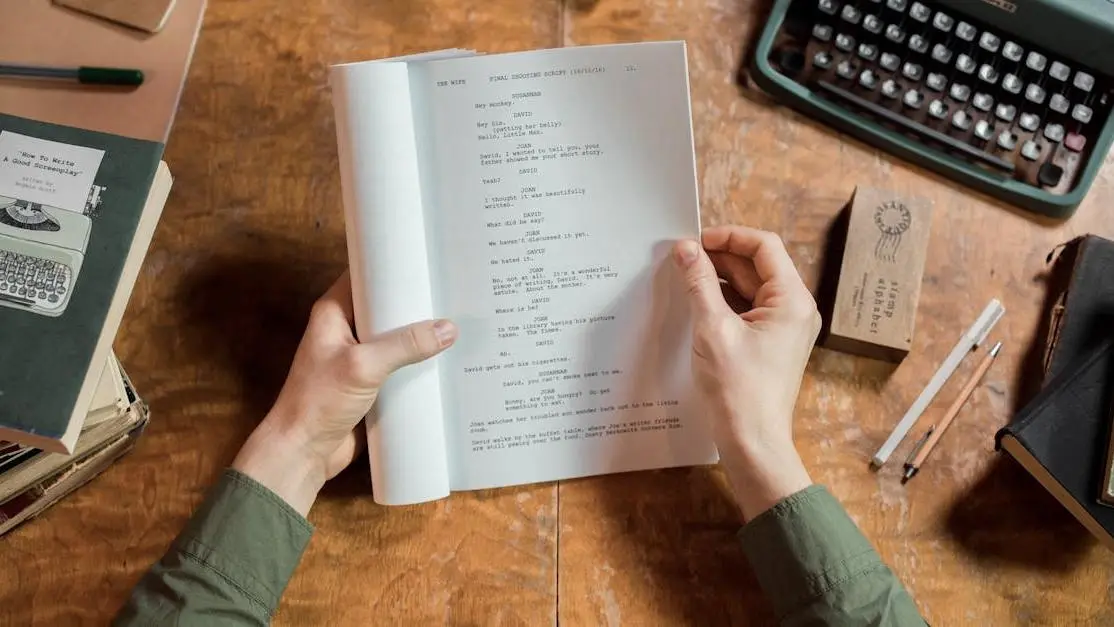
Crafting the script for a zombie movie can feel overwhelming, especially with the genre’s intricate standards and expectations. I understand the pressure of encapsulating the adrenaline-fueled terror and emotional depth that audiences crave. The blend of action, character development, and narrative structure demands a unique commitment to reinvention and creativity. I’ve put together a guide to help you navigate these challenges with precision.
- Writing a zombie movie involves balancing urgency with engaging storytelling.
- Explore crafting original concepts to stand out in a crowded genre.
- Develop strong, relatable characters while maintaining tense story structures.
Get 5% off your screenplay analysis. Use code 5OFFNOW to save on instant, professional script analysis with Greenlight Coverage.
Understand the Zombie Genre
The zombie genre has captivated audiences for decades. At its core, it combines elements of horror, suspense, and human drama. As a scriptwriter, understanding the genre’s place in cinematic history is crucial. Zombie movies are not just about undead creatures.
Why Zombies?
The fascination with zombies stems from what they symbolize. Zombies often represent societal fears, such as disease outbreaks, societal collapse, or the loss of individuality. These films act as a mirror, reflecting contemporary anxieties back to the audience. Understanding this symbolic nature can enhance your storytelling and make your narrative more relevant.
Key Characteristics of Zombie Movies
To successfully write a compelling zombie movie, you must recognize the genre’s defining traits. Consider the following features:
- Urgency and Survival: Zombies present an ever-present danger, requiring characters to make quick, often desperate, decisions.
- Character Depth: While the undead create conflict, human stories drive the emotional core. Relationships and personal growth often centralize the plot.
- Transformation and Change: Zombies are themselves products of transformation, and this theme often extends to survivors who evolve over the story.
Take inspiration from successful films that have combined these elements in unique ways.
Exploring Sub-genres
Zombie movies aren’t monolithic. They encompass various sub-genres, each providing new opportunities for storytelling.
- Horror-comedy: Balancing scares with humor, these films like “Shaun of the Dead” entertain while they terrify.
- Post-apocalyptic: Movies like “The Walking Dead” focus on world’s end scenarios, exploring survival and reconstruction.
By identifying which sub-genre captures your interest, you can narrow your approach and create a more focused narrative. At Greenlight Coverage, we help you refine these ideas through constructive feedback, ensuring your script engages and thrills.
Create a Unique Zombie Concept
Creating a unique concept distinguishes your script in a crowded field. With countless zombie films available, originality is your ticket to capture an audience’s attention.
Generating Fresh Ideas
Start by brainstorming unique attributes or circumstances for your zombie story. Consider these questions:
- What makes your zombies different? Perhaps they retain human memories or have evolved specific skills.
- What new setting can you explore? Moving beyond urban landscapes to rural, aquatic, or artificial habitats can offer novel challenges and visuals.
Innovations like these keep the genre fresh and intriguing.
World-building and Social Commentary
Zombie movies often explore broader societal themes. Your narrative can tackle issues such as resource scarcity, human nature under stress, or technology’s role in our lives. World-building in the zombie genre involves creating a believable landscape scarred by disasters. Cultivate this environment by setting clear rules for the outbreak and the world it creates.
Blending Traditional with New Elements
A compelling zombie movie integrates both classic and innovative elements seamlessly. Mixing familiar fears with fresh twists allows your story to resonate while surprising audiences.
Consider “World War Z,” where the concept of a camouflage vaccine introduced a new layer of tension. This originality adds depth without straying from core principles.
Develop Engaging Characters
Characters breathe life into any story. Creating complex, relatable individuals in a zombie movie is vital to engage the audience emotionally.
The Importance of Character Arcs
A character’s journey is crucial. Your protagonist must undergo significant development, reflecting the transformative essence of the zombie genre:
- From ordinary to extraordinary: Initially, characters may be ill-prepared for a zombie crisis. Their arc involves growth, survival, and sometimes sacrifice.
- Flaws and strengths: Characters with distinct traits reflect human nature’s complexity, allowing viewers to connect on a deeper level.
Subverting Familiar Archetypes
Zombie movies often include recognizable character types—such as the leader, the skeptic, or the anti-hero. By subverting these archetypes, your script can introduce unexpected dynamics and conflicts.
For example, making your skeptic character gradually learn to trust others diversifies the narrative and drives character growth.
Making Characters Relatable
Characters need realistic motivations and dialogue. Drawing inspiration from everyday conversations can ground fantastical elements, making them feel authentic and immersive. Dialogue should not only advance the plot but also reveal character personalities.
Build Suspense with Story Structure
The structure of your story dramatically influences its suspense and pacing. Zombie movies thrive on a rhythmic balance of tension, action, and emotional beats.
Crafting a Tense Narrative
Building suspense involves carefully timing the reveal of information. Consider the following structure:
- Establish conflict early: Introduce the zombie threat and initial stakes within the first act. This urgency hooks your audience and sets the tone.
- Create rising tension: Maintain suspense by escalating threats, presenting moral dilemmas, or unveiling new challenges.
- Build to a climax: Position the climax as the emotional and narrative peak, ensuring it resolves key conflicts with impact.
Pacing the Action
Pacing is crucial in maintaining interest. Alternate high-intensity scenes with slower, character-driven moments to give your audience time to breathe and reflect.
This cadence preserves tension and keeps your narrative engaging.
Analyzing Successful Examples
Look at films like “28 Days Later” or “Train to Busan.” Their story structures effectively combine relentless action with poignant character moments, underscoring their themes. Use these examples to inspire and inform your approach.
Crafting a well-structured narrative not only maintains engagement but also enhances the emotional depth of your story.
Use Visual and Auditory Elements
Successfully crafting a zombie movie necessitates a keen understanding of visual and auditory elements. These elements are not mere embellishments; they are crucial components that elevate a script into a vivid, cinematic experience. At Greenlight Coverage, our expertise is guiding you to effectively integrate these cinematic aspects into your screenplay.
Enhancing Scenes with Visuals
Incorporate imagery that amplifies tension and emotion. Consider establishing scenes that are rich in detail. This creates an immersive experience without overloading the viewer:
- Setting the Atmosphere: Utilize lighting and color palettes to reflect the film’s mood. For instance, desaturated colors can enhance the bleakness of a post-apocalyptic world.
- Unique Angles and Movements: Dynamic camera movements—like tracking and sweeping shots—can intensify chase scenes or reveal unexpected dangers.
By marrying specific visual cues with your narrative, you guide the viewer’s emotional journey, anchoring each scene’s tone.
The Power of Sound Design
Sound is a formidable tool in creating tension. A well-timed auditory cue can evoke a visceral response. Focus on the following:
- Silence and Ambiance: Sometimes, the absence of sound is more powerful. Use silence to heighten suspense before a sudden action.
- Layered Soundscapes: Incorporate subtle background noises like distant growls or shuffling footsteps to imply the lurking presence of zombies.
Sound and visuals should create a cohesive and immersive world. Together, they direct the viewer’s focus and amplify emotional stakes.
Write Authentic Dialogue
In a zombie movie, dialogue must reflect the characters’ dire circumstances and personal journeys. Your script thrives on real, believable conversations that enhance plot progression and deepen character relationships.
Crafting Realistic Conversations
Dialogue should mimic natural speech patterns without resorting to clichés. To achieve authenticity:
- Character Specificity: Write dialogue that reflects individual personalities. A leader might speak with authority, while a hesitant character could reveal fear or uncertainty.
- Emotional Honesty: Allow characters to express their emotions. This can be through moments of doubt, hope, or anger, rendering their experiences genuine.
Balancing Dialogue and Action
Dialogue should complement the action without dominating the scene. Consider this approach:
- Short Exchanges: Keep interactions brief in moments of impending danger. This maintains tension and realism.
- Exposition as Conflict: Use dialogue to reveal plot points indirectly, often through arguments or differing viewpoints.
By embedding character development within dialogue, you create compelling interactions that resonate with audiences.
How Feedback Can Refine Your Zombie Script
Feedback is an essential component of script development. It offers insight into the elements that work and those needing refinement. Embrace feedback as a tool for honing your craft.
The Value of Professional Feedback
Submitting your screenplay to experienced analysts provides objective insights and suggestions. Benefits include:
- Identifying Strengths and Weaknesses: Feedback sheds light on plot holes, character inconsistencies, and pacing issues.
- Enhancing Emotional Impact: Experts can suggest modifications that deepen emotional and thematic elements.
At Greenlight Coverage, we prioritize offering actionable feedback that emphasizes structure, character arcs, and overall coherence.
Tools and Platforms for Improvement
Incorporate platforms like ours to receive targeted critiques and refine your script rapidly. Engage with communities that provide robust resources for improvement:
- Discuss your script within writers’ forums or groups to gain diverse perspectives.
- Attend workshops that focus on screenplay best practices and genre-specific tips.
Using these resources will dramatically elevate your script’s impact and professionalism.
Conclusion
Writing a zombie movie demands creativity and adherence to genre conventions. Leveraging feedback tools enhances your script’s quality, aligning it with audience expectations. For more insights into screenplay writing, explore resources like Basics of Screenwriting: Essential Tips for Beginners. This offers you a foundation to craft narratives that captivate and move your audience.
Get 5% off your screenplay analysis. Use code 5OFFNOW to save on instant, professional script analysis with Greenlight Coverage.

