 Skip to content
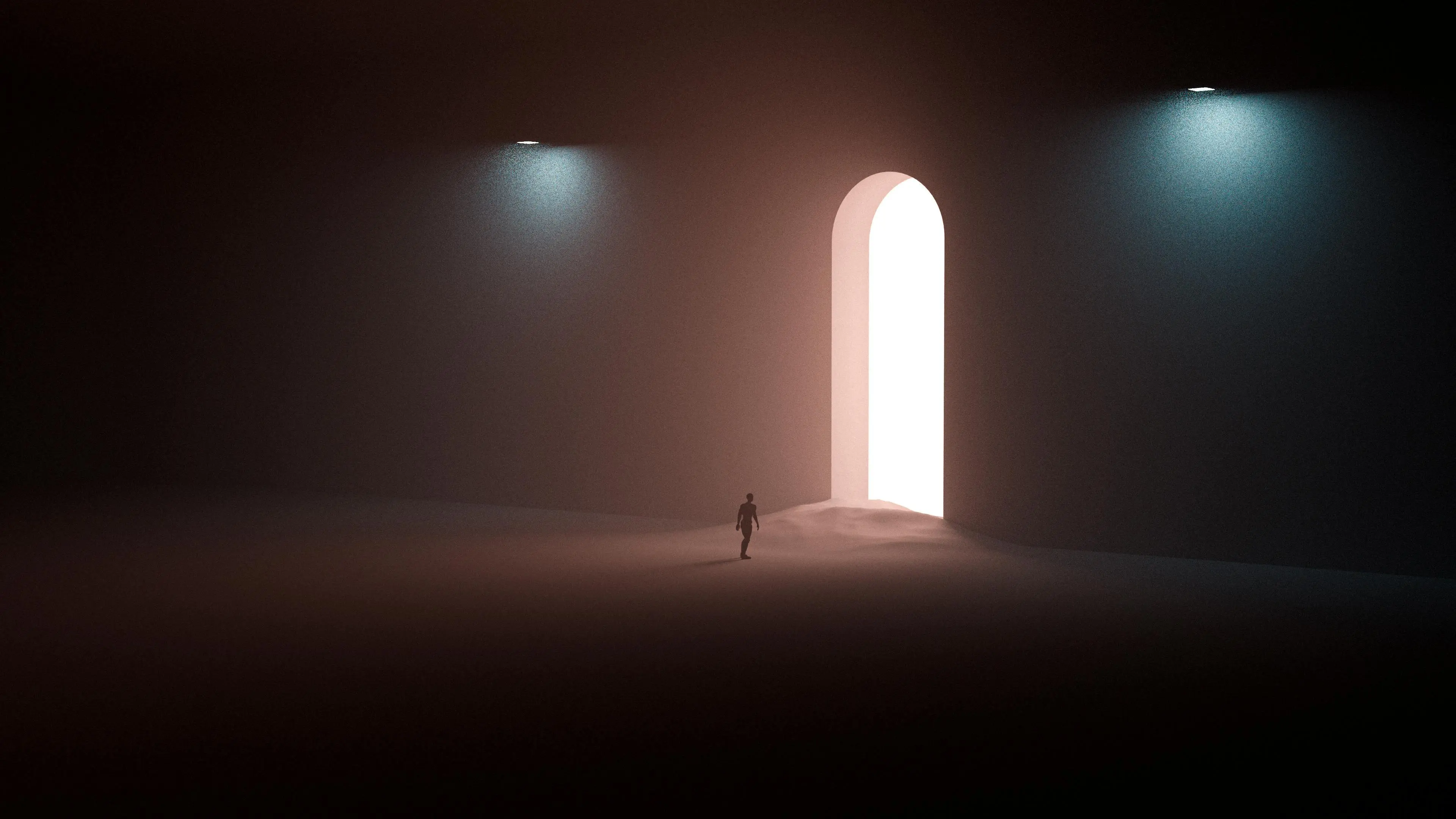
Surrealist film is a unique cinematic genre that blends dreamlike visuals, abstract narratives, and symbolic imagery to explore the unconscious mind. By defying conventional storytelling, these films evoke the irrational and bizarre. Expect fragmented narratives, unusual camera angles, and a subversion of logic. Discover iconic works by Luis Buñuel, Salvador Dalí, and David Lynch, and see how surrealism influences modern cinema.
Origins of Surrealist Film
Surrealist film emerged in the early 20th century, intertwining with the broader historical context and cultural movements in art and literature. The movement sought to break chains of logic and convention, delving into the irrational mind and dreamlike states. Among the earliest pioneers were Spanish filmmaker Luis Buñuel and prolific artist Salvador Dalí. They embodied the movement through mesmerizing works that continue to captivate audiences.
In the early 1920s, Surrealist poets like André Breton and Louis Aragon experimented with automatic writing—an approach intending to bypass conscious thought. Inspired by these literary techniques, filmmakers ventured into similar territories using visual mediums. The result was the birth of surrealist cinema. French director Germaine Dulac’s “The Seashell and The Clergyman” (1928), written by Antonin Artaud, is widely considered the first authentic surrealist film. This film set the stage with disturbing imagery and unconventional plot structures that defied standard expectations.
The era’s cultural landscape facilitated this revolution in cinema. France, in particular, offered a fertile ground for exploration, owing to its easy access to filmmaking equipment and a robust network of artists and intellectuals. This confluence of circumstances allowed Buñuel and Dalí to produce their iconic short film “Un Chien Andalou” (1929). The film famously starts with a graphic scene of a woman’s eye being sliced by a razor, symbolizing an open challenge to traditional cinematic storytelling.
Luis Buñuel and Salvador Dalí weren’t alone. Other filmmakers, including Jean Cocteau and later Federico Fellini, leaned into surrealistic techniques, which became hallmarks of their most celebrated works. They positioned themselves at the intersection of dreams and reality, offering viewers unparalleled experiences.
If you’re inspired to examine the origins and intricacies of surrealist film scripting, Greenlight Coverage offers professional script analysis services. You can use code 5OFFNOW at checkout to get 5% off.
Key Characteristics of Surrealist Film
Surrealist films stand out due to a variety of unique traits. These characteristics work together to create a cinematic experience that feels more like a lucid dream than a traditional narrative.
Fragmented Narratives
Surrealist films often feature fragmented narratives that eschew linear storytelling. These films embrace disconnection and randomness, reflecting the unpredictable nature of dreams. By subverting typical chronological progression, they challenge the viewer to find meaning or simply experience the visual and emotional impact.
Dream Sequences
A hallmark of surrealist cinema is its frequent use of dream sequences. These scenes defy logic and often contain bizarre, unsettling elements. For instance, Alfred Hitchcock’s “Spellbound,” featuring Salvador Dalí’s dream designs, exemplifies the dream-like sequences and unconventional imagery.
Symbolic Imagery
Surrealist films are replete with symbolic imagery. These symbols may appear on the screen repeatedly, contributing to layers of meaning that are open to interpretation. Through these symbols, filmmakers create a visual language that can communicate emotions and themes that transcend verbal expression.
Exploration of the Unconscious Mind
Surrealist films delve into the subconscious, showcasing the human mind’s complex and often contradictory nature. The genre flirts with the boundaries of sanity and madness, bringing viewers face-to-face with their deepest fears and desires. This exploration often manifests through characters’ irrational actions and situations.
Juxtaposition
By juxtaposing unrelated elements, surrealist filmmakers create a feeling of disorientation. They might combine seemingly ordinary scenes with surreal objects or scenarios, leading to a new, often jarring experience. This technique amplifies the film’s dreamlike atmosphere and layers of meaning.
Absurdity and Dark Humor
Surrealist films frequently incorporate absurdity and dark humor. This approach not only startles the audience but also prompts them to question societal norms and the absurdities of daily life. Through this lens, what initially seems nonsensical might reveal deeper truths about the human condition.
Influential Surrealist Films and Filmmakers
As surrealist film evolved, certain works and their creators rose to prominence, becoming defining figures in the genre.
Luis Buñuel
One cannot discuss surrealist film without mentioning Luis Buñuel. His collaboration with Salvador Dalí on films like “Un Chien Andalou” and “L’Âge d’Or” cemented his place in surrealist cinema history. These films broke conventions with their shocking imagery and nonlinear storytelling.
Salvador Dalí
Known primarily as a painter, Salvador Dalí’s influence on surrealist film is also substantial. His dreamlike visuals and symbolic imagery transformed the cinematic landscape. Dalí’s work on “Spellbound” brought surrealist aesthetics to a broader Hollywood audience.
Federico Fellini
Italian director Federico Fellini contributed significantly to surrealist film with works like “8½.” His use of dream sequences and exploration of subconscious thoughts added depth to his storytelling, making his films enduring masterpieces.
Jean Cocteau
French filmmaker Jean Cocteau’s films, such as “The Blood of a Poet” (1930), are classic examples of surrealism in cinema. Cocteau’s artistic sensibilities created films that were poetic and visually innovative.
David Lynch
Contemporary director David Lynch continues the surrealist tradition with films like “Eraserhead” and “Mulholland Drive.” Lynch’s work is characterized by eerie atmospheres, disturbed characters, and abstract narratives, bridging classic surrealist concepts with modern filmmaking techniques.
Alejandro Jodorowsky
Alejandro Jodorowsky’s influential surrealist films are rich with surrealist themes and visuals. “El Topo” and “The Holy Mountain” exemplify his dense semiotic layering, making Jodorowsky a central figure in the genre’s evolution.
Surrealist Film Techniques
Surrealist filmmakers employ a variety of techniques to create their hallmark dreamlike and otherworldly effects.
Unusual Camera Angles
Surrealist films often use unconventional camera angles and perspectives. This approach can disorient the viewer, forcing them to question their perceptual assumptions. For example, tilting the camera or using extreme close-ups can create a feeling of unease.
Juxtaposition and Montage
The juxtaposition of disparate elements is a common technique. Filmmakers might place mundane scenes next to bizarre or fantastical imagery. This montage style, common in Buñuel’s work, reinforces the surrealist rejection of logical continuity.
Disjointed Editing
Editing plays a crucial role in crafting surrealist films. Techniques such as jump cuts, slow motion, and fragmented sequences disrupt traditional narrative flow. These editing choices are designed to mimic the unpredictable nature of dreams.
Non-linear Storytelling
Surrealist cinema often eschews linear storytelling in favor of a more fragmented narrative structure. This non-linear approach can make it challenging to discern a clear plot, reflecting the fluid and abstract nature of human consciousness.
Distorted Soundscapes
Sound design is another tool in the surrealist filmmaker’s arsenal. Disjointed, eerie, and ambient sounds contribute to the unsettling atmosphere. Distorted dialogues and unexpected auditory shifts enhance the feeling of otherworldliness.
Symbolic and Abstract Imagery
Symbolism is at the core of surrealist visual style. Filmmakers use symbolic and abstract imagery to convey deeper meanings. Objects and scenes may not make immediate sense but contribute to the film’s overall thematic resonance.
Surrealist film is an immersive experience that blends visual wonder with profound psychological exploration. By employing these techniques, filmmakers invite viewers to step outside their conventional mindset and engage with the depths of their unconscious.
Thematic Elements in Surrealist Film
Surrealist films often delve deeply into thematic elements that challenge and subvert conventional norms. These themes create rich layers of meaning that invite viewers to reflect and engage with the material from multiple perspectives. At Greenlight Coverage, we explore these themes extensively in our script analysis services—use code 5OFFNOW at checkout to get 5% off.
Dreams Versus Reality
Surrealist films frequently blur the line between dreams and reality. This creates an ambiguity that forces the audience to question their own perceptions. Directors like Federico Fellini masterfully blend dream sequences with real-world events, leading viewers to a state of contemplation about the nature of reality itself.
Subversion of Logic
Subverting logic is a cornerstone of surrealist cinema. By presenting situations that defy rational explanation, filmmakers invite audiences to embrace the absurd and the fantastical. Buñuel’s “The Exterminating Angel” showcases guests inexplicably unable to leave a dinner party, which embodies this theme beautifully.
Psychological Exploration
Surrealist films offer a profound psychological exploration of characters’ inner lives. These movies delve into the subconscious, revealing fears, desires, and internal conflicts. David Lynch’s “Mulholland Drive” serves as an excellent example, drawing viewers into a labyrinthine portrayal of identity and memory.
Critiques of Societal Norms
Many surrealist films serve as critiques of societal norms and conventions. By presenting exaggerated or distorted versions of everyday life, these films provide viewers with a lens to examine the absurdities of social structures. “Brazil” by Terry Gilliam fuses bureaucratic satire with surreal visuals to make poignant social commentary.
Isolation and Alienation
Isolation and alienation are recurring themes in surrealist cinema. Characters often find themselves disconnected from their surroundings or unable to engage with others meaningfully. “Eraserhead” by David Lynch encapsulates this, depicting a protagonist who grapples with existential isolation and alienation.
The Influence of Surrealist Film on Modern Cinema
Surrealist film has had a significant impact on modern cinema. By pioneering abstract narratives and symbolic visuals, surrealist directors have influenced a wide range of genres and filmmakers.
Modern Filmmakers Embracing Surrealism
Contemporary filmmakers like Christopher Nolan and Guillermo del Toro often incorporate surrealist elements in their works. Nolan’s “Inception” borrows heavily from surrealist traditions, exploring dream states and layers of reality in a visually stunning package.
Cross-Genre Influence
Surrealist film’s impact extends beyond specific genres. Horror, science fiction, and even comedy have adopted surreal techniques. Films like “Donnie Darko” and “Pulp Fiction” feature non-linear storytelling and abstract imagery that harken back to highly influential surrealist films.
Continued Legacy in Animation
Animation has proven to be a fertile ground for surrealist techniques. Directors like Isao Takahata have created works that push the boundaries of the genre. His animated film “Angel’s Egg” stands as an enduring testament to the influence of surrealist visual storytelling.
Visual and Sonic Experimentation
Modern filmmakers continue to experiment with visual and sonic elements inspired by surrealist principles. Surreal soundscapes, unconventional editing, and symbolic imagery are now tools used across various genres to evoke particular emotional or philosophical responses.
For more in-depth understanding of surrealist film techniques and their modern adaptations, explore our Greenlight Coverage services. This section delves into visual experimentation deeply, offering invaluable insights.
Watching Surrealist Films: What to Expect
If you are new to surrealist films, knowing what to expect can enhance your viewing experience.
Embrace Ambiguity
One of the key aspects of surrealist films is their ambiguity. These films often do not provide clear answers, leaving much to interpretation. This open-ended nature is part of the genre’s allure, prompting viewers to think critically and form their own conclusions.
Pay Attention to Visuals
Visual storytelling is paramount in surrealist films. Directors use carefully crafted imagery to communicate complex themes and emotions. Paying close attention to these visuals can unlock deeper understanding and appreciation.
Experience Over Explanation
Surrealist films prioritize emotional and psychological experiences over coherent narratives. Instead of seeking logical explanations, try to embrace the feelings and thoughts that the film evokes. This approach can lead to a more fulfilling experience.
Symbolism Everywhere
Surrealist films are rich in symbolism. Objects, settings, and even characters can hold multiple meanings. Engaging with these symbols can provide a richer viewing experience, allowing you to uncover layers of meaning.
Non-linear Structures
Be prepared for non-linear storytelling. These films often eschew traditional plot structures, which can be disorienting initially. However, this non-linearity contributes to the film’s dreamlike quality and enhances its thematic depth.
Conclusion
Surrealist film is a compelling genre that continues to captivate and inspire audiences and filmmakers alike. From its rich historical roots to its ongoing influence on modern cinema, surrealist film challenges conventional storytelling and invites viewers to explore the inexplicable realms of the human mind. As you delve into this fascinating world, remember that Greenlight Coverage offers script analysis services to help you understand these intricate narratives—use code 5OFFNOW at checkout to get 5% off.
By merging abstract visuals with profound psychological themes, surrealist films offer a unique cinematic experience that transcends traditional boundaries. If you’re ready to embark on this cinematic journey, start with the works of pioneers like Luis Buñuel, Salvador Dalí, and David Lynch. Prepare to question, ponder, and ultimately appreciate the beautifully surreal layers of film.
For a deeper dive into film analysis techniques, check out our article on How to Analyze Films: Essential Steps for Beginners.
