 Skip to content
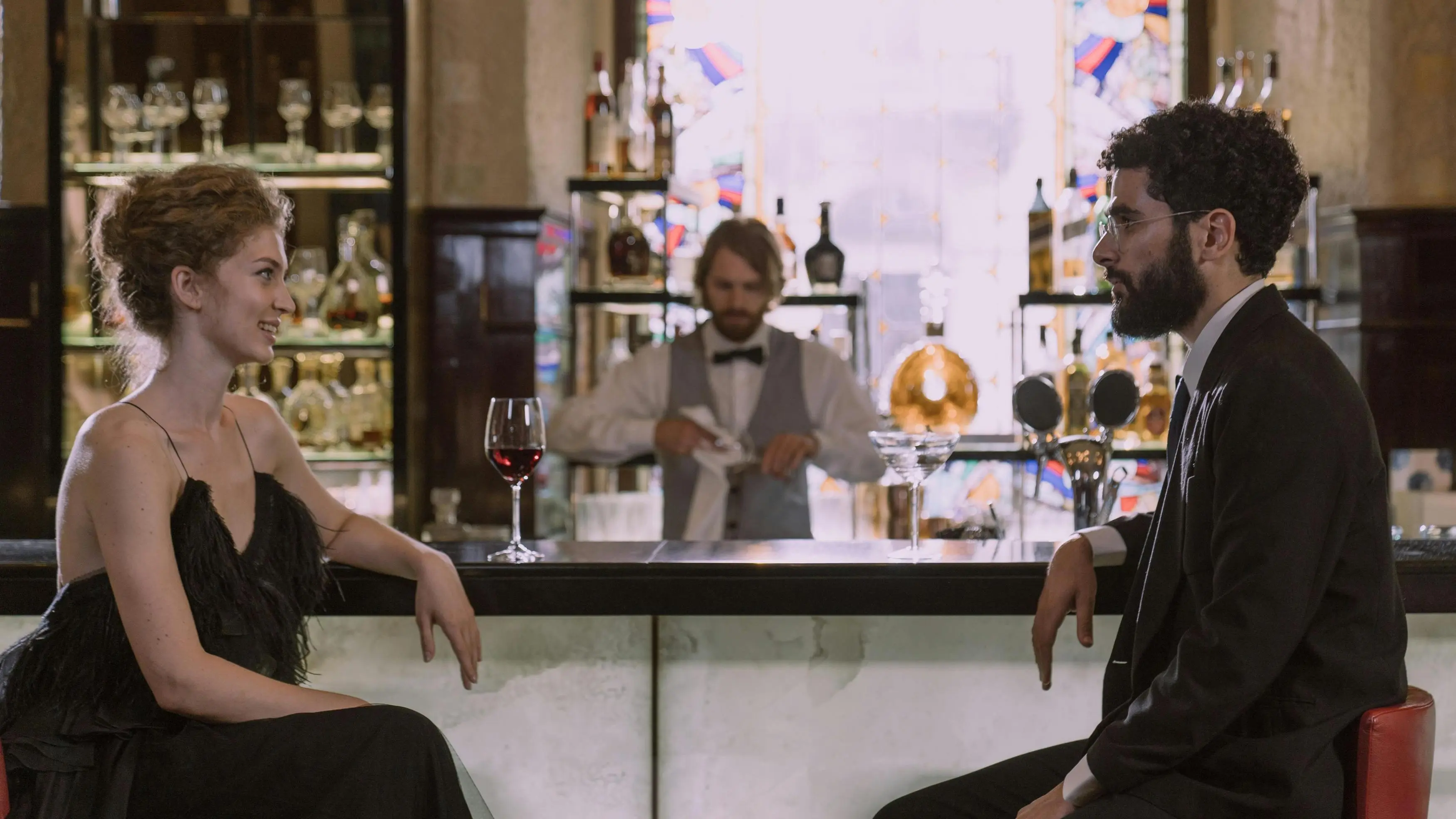
The opening scene of “The Social Network” captures a pivotal conversation between Mark Zuckerberg and Erica Albright at a bar. Their fast-paced dialogue sets the stage for the film’s themes of ambition, social dynamics, and personal conflict. This scene introduces audiences to Mark’s motivations and flaws, laying the groundwork for the entire narrative.
In this article, you’ll explore:
- The structural breakdown of the scene
- Key character introductions
- Thematic and directorial choices
- Emotional impact and narrative significance
The Structure of the Opening Scene
The opening scene of “The Social Network” serves as a masterclass in storytelling. The scene is set in a bustling bar, framing a conversation between Mark Zuckerberg and Erica Albright. From the moment the scene begins, the audience is immersed in a whirlwind of dialogue, providing immediate insights into the characters’ personalities.
Setting the Scene
The bar setting plays a critical role. The noisy, dimly-lit environment creates a sense of urgency and tension. This backdrop mirrors the chaotic and competitive world that Mark is about to enter with the creation of Facebook.
Key Moments
Several key moments in this scene dictate its effectiveness:
- Rapid-Fire Dialogue: Right from the start, the conversation is fast-paced. This mirrors Mark’s quick-thinking nature and his relentless drive.
- Conflict Establishment: The discussion quickly veers into a debate. Mark’s condescending remarks and Erica’s growing frustration lay the groundwork for the conflict that propels the narrative.
- Foreshadowing: Mark’s desire to be recognized and his ambition to stand out are evident here. These themes are vital to understanding his motivations throughout the film.
Character Interactions
The dynamic between Mark and Erica is crucial. Their conversation exposes Mark’s social ineptitude and his obsession with status. Erica’s responses highlight her empathy and frustration, creating a stark contrast with Mark’s character.
At Greenlight Coverage, we stress the importance of such meticulously crafted scenes in screenwriting. For aspiring writers, analyzing this scene could offer valuable lessons. And for a limited time, you can use code 5OFFNOW at checkout to get 5% off our script analysis services at this link.
Character Introductions: Mark Zuckerberg and Erica Albright
The opening scene not only sets the narrative tone but also introduces the audience to two pivotal characters: Mark Zuckerberg and Erica Albright.
Mark Zuckerberg
Jesse Eisenberg’s portrayal of Mark Zuckerberg is both riveting and revealing. From his first line, Mark’s character is established as:
- Intellectually Driven: His use of rapid, complex dialogue showcases his sharp mind.
- Socially Awkward: Mark’s lack of social graces becomes evident through his blunt and often insensitive remarks.
- Ambitious: His conversation circles back to his ambitions, laying the foundation for his future endeavors with Facebook.
Erica Albright
Rooney Mara’s Erica Albright serves as a critical catalyst for the story’s progression. Erica’s role in the opening scene can be summarized as:
- Empathetic Yet Frustrated: Erica’s responses to Mark highlight her empathy but also her growing frustration, reflecting the challenges of communicating with him.
- Morally Grounded: She serves as a moral counterpoint to Mark, emphasizing basic social respect and empathy.
- Trigger for Action: Her decision to break up with Mark acts as a significant trigger, pushing him towards creating Facebook as a means to reclaim his lost status.
Their Dynamic
The interaction between Mark and Erica establishes the foundational dynamics of the film. The scene:
- Exposes Mark’s Motivations: His insistence on joining elite clubs underscores his desire for social validation.
- Highlights Emotional Disconnect: Erica’s frustration with Mark highlights his inability to form meaningful connections, a theme that recurs throughout the narrative.
This nuanced portrayal of characters in the opening scene serves as a testament to Aaron Sorkin’s writing prowess and David Fincher’s directorial vision.
Themes and Motifs
The opening scene of “The Social Network” encapsulates several key themes and motifs that resonate throughout the film.
Ambition and Success
One of the most prominent themes introduced in this scene is ambition. Mark’s relentless drive to achieve success, often at the cost of personal relationships, is immediately apparent.
- Desire for Status: Mark’s comments about elite clubs and social standing reveal his insatiable quest for recognition.
- Foreshadowing Success: His ambition foreshadows his future as the founder of Facebook, highlighting the lengths he’s willing to go to achieve his goals.
Social Dynamics
The social dynamics between Mark and Erica provide a microcosm of the broader social interactions that will be explored in the film.
- Power Struggles: The conversation is a subtle power struggle, with Mark trying to assert dominance and Erica pushing back.
- Isolation: Mark’s social awkwardness and his inability to connect with Erica foreshadow his eventual isolation despite his professional success.
Personal Conflict
Personal conflict is at the heart of the opening scene.
- Internal Conflict: Mark’s internal struggle, driven by his insecurities and desires, is evident in his dialogue.
- External Conflict: Erica’s decision to break up with Mark sets up the external conflict, motivating him to prove his worth by creating Facebook.
These themes and motifs are skillfully woven into the dialogue, enhancing the depth and complexity of the narrative.
Dialogue Analysis: Writing and Delivery
Aaron Sorkin’s writing in “The Social Network” is a testament to the power of dialogue. The opening scene is a prime example of how sharp, engaging dialogue can drive a narrative forward.
Writing Style
Sorkin’s dialogue is characterized by its:
- Rhythmic Quality: The back-and-forth exchanges between Mark and Erica have a rhythmic, almost musical quality. This keeps the audience engaged and the conversation flowing seamlessly.
- Intellectual Sharpness: The dialogue is intellectually sharp, with quick wit and layered meanings. This reflects the intelligence of the characters and the complexity of the narrative.
- Repetition and Meter: Sorkin uses repetition and meter effectively. This not only emphasizes key points but also adds to the scene’s energetic pace.
Delivery
The actors’ delivery plays a crucial role in bringing the dialogue to life.
- Jesse Eisenberg as Mark Zuckerberg: Eisenberg’s rapid speech and precise diction perfectly capture Mark’s intense intellectual energy and social awkwardness.
- Rooney Mara as Erica Albright: Mara’s measured, emotive responses provide a balanced counterpoint to Eisenberg’s frenetic energy. Her delivery underscores Erica’s empathy and frustration.
Impact on the Scene
The combination of Sorkin’s writing and the actors’ delivery creates a scene that is:
- Dynamic: The rapid exchanges create a dynamic and engaging opening that immediately draws the audience in.
- Tense: The underlying tension between Mark and Erica is palpable, setting the stage for the conflicts that will drive the narrative.
- Revealing: The dialogue reveals key aspects of the characters’ personalities and the central themes of the story.
In conclusion, the opening scene of “The Social Network” is a masterclass in screenwriting and acting. It effectively introduces the characters, sets up the central conflicts, and establishes the themes that will be explored throughout the film. At Greenlight Coverage, we believe that studying such scenes can provide invaluable insights for aspiring screenwriters. Don’t forget to use code 5OFFNOW at checkout to get 5% off our script analysis services at this link.
Directorial Choices: David Fincher’s Vision
David Fincher’s direction brings a distinct and memorable tone to the opening scene of “The Social Network.” His style resonates throughout, drawing the audience into the world of Mark Zuckerberg.
Fincher’s Style
David Fincher is renowned for his meticulous attention to detail and his ability to create atmospheres that are both immersive and hauntingly real. In this scene, he employs specific techniques to enhance the storytelling:
- Clinical Precision: Fincher’s direction is marked by a clean, almost clinical precision. This is evident in the carefully orchestrated movements of the camera and the deliberate pacing of the scene.
- Use of Lighting: The dim lighting in the bar creates an intimate yet unsettling atmosphere. It mirrors the tension in the conversation, making the audience feel the emotional stakes.
- Focus on Character: Despite the busy setting, Fincher ensures that the focus remains on the characters. The camera often uses close-up shots to capture the nuances of their expressions, adding depth to their interactions.
Visual Storytelling
Fincher’s visual storytelling is another highlight of this opening scene. By using specific techniques, he creates a narrative that is both compelling and visually engaging:
- Camera Angles: The use of varied camera angles keeps the scene dynamic. Shifting perspectives create a sense of unease, reflecting the internal turmoil of the characters.
- Editing: The seamless editing, often described as “invisible,” ensures that the narrative flows naturally. The quick cuts during the dialogue exchange maintain the scene’s energetic pace.
Impact on the Audience
David Fincher’s vision elevates the opening scene, making it more than just a conversation. It becomes a window into the characters’ souls, setting the emotional and thematic tone for the entire film. At Greenlight Coverage, we appreciate such masterful storytelling techniques, and for those looking to enhance their scripts, remember to use code 5OFFNOW at checkout to get 5% off our services here.
Cinematography and Visual Style
Cinematography and visual style play crucial roles in setting the tone and mood of “The Social Network’s” opening scene. Let’s break this down further.
Camera Techniques
Fincher, along with his cinematographer Jeff Cronenweth, utilizes various camera techniques to tell the story visually:
- Close-ups and Medium Shots: These are used extensively to capture the characters’ facial expressions. This helps convey their emotions and reactions, adding a layer of depth to their conversation.
- Tilt-Shift Effect: The use of tilt-shift cinematography creates a shallow depth of field, drawing the viewer’s attention to Mark and Erica while blurring the noisy bar’s distractions. This emphasizes the importance of their interaction.
Lighting and Color Palette
The lighting and color palette are meticulously chosen to enhance the scene’s emotional impact:
- Low-key Lighting: The dim, low-key lighting reflects the intimate yet tense nature of the conversation. It adds a shadowy depth, mirroring the complexities of the characters’ emotions.
- Warm Tones: The bar is bathed in warm, amber hues, contrasting with the cold, blue tones often associated with Mark’s world of computers. This visual contrast subtly underscores the conflict between personal warmth and technological coldness.
Symbolism Through Visuals
The visual style in this scene also carries symbolic weight:
- Isolation: The framing often isolates Mark in the frame, symbolizing his social isolation and foreshadowing his later struggles with personal connections.
- Shadows and Light: The interplay of shadows and light on the characters’ faces reflects their inner conflicts and the moral ambiguities they navigate throughout the film.
Such attention to cinematographic detail not only enhances the visual appeal but also deepens the narrative impact. For an in-depth analysis, see the completed film review.
Emotional Impact on the Audience
The opening scene of “The Social Network” is an emotional rollercoaster, designed to engage viewers deeply from the outset. Here’s how it achieves this:
Relatable Conflict
The emotional impact begins with the relatable nature of the conflict between Mark and Erica. Their conversation is raw and authentic, reflecting real-life relationship dynamics:
- Vulnerability: Mark’s vulnerability is laid bare as he struggles to impress Erica. His insecurities and social awkwardness are relatable to many, evoking empathy.
- Disappointment: Erica’s growing frustration and eventual decision to break up with Mark resonate with anyone who has experienced disappointment and unmet expectations in relationships.
Tension and Release
The scene masterfully builds tension and offers moments of emotional release, keeping the audience engaged:
- Rising Tension: The rapid dialogue and escalating conflict create a palpable tension. Viewers feel the intensity of the moment, mirroring the characters’ emotions.
- Emotional Climax: Erica’s final words, “You’re going to go through life thinking girls don’t like you because you’re a nerd. And I want you to know, from the bottom of my heart, that won’t be true. It’ll be because you’re an a**hole,” provide a powerful emotional climax, leaving a lasting impression on the audience.
Foreshadowing and Engagement
The emotional resonance of the opening scene also lies in its foreshadowing:
- Future Conflicts: The scene hints at the conflicts and struggles Mark will face, inviting viewers to invest emotionally in his journey.
- Character Depth: By showcasing Mark’s flaws and vulnerabilities early on, the film sets the stage for his character development, keeping the audience emotionally engaged throughout.
In essence, the scene’s emotional impact lies in its ability to evoke empathy, build tension, and foreshadow future events, making it a powerful narrative tool.
Contribution to Overall Narrative
The opening scene of “The Social Network” is not just an introduction; it’s a foundational piece that sets the stage for the entire narrative.
Establishing Character Motivations
One of the key contributions of this scene is establishing the protagonist’s motivations:
- Ambition: Mark’s conversation with Erica underscores his deep-rooted ambition and desire for recognition, which will drive his actions throughout the film.
- Insecurity: His social awkwardness and insecurity are laid bare, providing insight into his personality and shaping the audience’s understanding of his future decisions.
Setting Up Central Conflicts
The scene also sets up the central conflicts that will unfold in the narrative:
- Personal Relationships vs. Professional Ambitions: The breakup with Erica highlights the tension between personal relationships and professional ambitions, a theme that recurs throughout the story.
- Moral Ambiguity: The morally ambiguous nature of Mark’s character is introduced, foreshadowing the ethical dilemmas he will face.
Introducing the Film’s Themes
Several core themes are introduced in this opening scene, laying the groundwork for the film’s exploration of these ideas:
- Social Dynamics: The interaction between Mark and Erica provides a lens through which the film examines broader social dynamics and the quest for acceptance.
- Isolation: Mark’s emotional isolation is a recurring theme, with the opening scene hinting at the loneliness that comes with his ambition.
- Power and Control: The conversation highlights Mark’s desire for control and influence, themes that will be central to his journey in creating Facebook.
Engaging the Audience
Finally, the opening scene is crucial in engaging the audience from the start:
- Emotional Hook: The emotional intensity of the scene draws viewers in, making them invested in the characters and the unfolding story.
- Narrative Momentum: By introducing key conflicts and themes early on, the scene creates narrative momentum, encouraging viewers to stay engaged with the story.
In summary, the opening scene of “The Social Network” is a narrative cornerstone. It establishes character motivations, sets up central conflicts, introduces key themes, and engages the audience, making it an essential and impactful part of the film. For a deeper dive into the themes and motifs discussed, see the Cinema Funk analysis.
Conclusion
The opening scene of “The Social Network” is a brilliant example of how meticulous direction, sharp dialogue, and compelling visual storytelling can come together to create an impactful narrative. By breaking down this scene, we can see how it sets the tone for the entire film, engages the audience, and introduces themes and conflicts that drive the story forward.
At Greenlight Coverage, we appreciate the artistry behind such scripts and aim to help writers achieve similar levels of storytelling mastery. For those looking to enhance their stories, don’t forget to use code 5OFFNOW at checkout to get 5% off our services here. By studying great scripts and applying these insights, you can take your writing to the next level.

